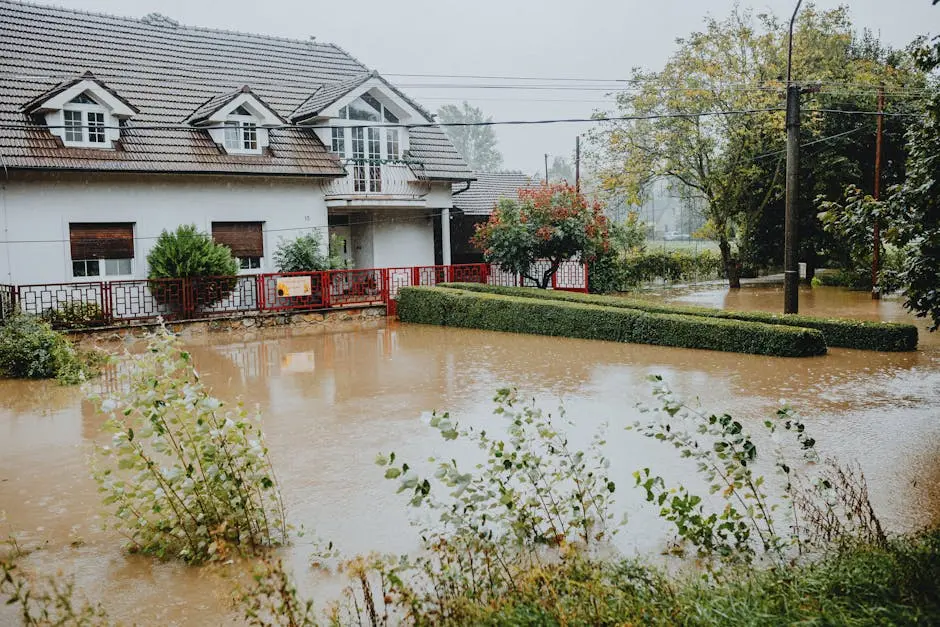
Experiencing a flood in your home is overwhelming, and knowing what to do next can save time, money, and stress. Water extraction is a critical step towards recovering from flooding. In this blog, we will explore how soon water extraction should start after a flood to prevent further damage and ensure a smooth recovery.
Floodwaters can cause extensive damage if not addressed immediately. Delaying extraction can lead to structural damage, mold growth, and potentially higher recovery costs. Understanding why urgency is important can motivate prompt action.
One of the most critical effects of unaddressed floodwater is mold development, which can start within as little as 24 to 48 hours. This rapid onset is not only harmful to your home but also poses significant health risks.
Moreover, standing water contributes to the weakening of structural components such as floors and walls. This deterioration can result in long-term damage that requires extensive repairs.
Before starting any extraction, ensure it’s safe to enter the flooded area. Check for electrical hazards and ensure structural stability to avoid accidents. Always prioritize personal safety before beginning any water removal process.
It is vital to disconnect the power supply to prevent any electrical incidents. Utilizing tools like a flashlight and a pair of waterproof boots can protect you further while you assess the situation.
Seek professional help when unsure about any safety risks—it’s always better to err on the side of caution. Professionals can ensure that safety protocols are strictly followed during the assessment.
Ideally, water extraction should begin within 24 to 48 hours after a flood to minimize damage. The quicker you start, the better results you can achieve in salvaging your property. Delays can complicate the restoration process.
Starting extraction as soon as possible is essential to prevent further complications. The sooner you address the water, the less chance it has to seep deeper into the building’s materials.
Consider contacting experts who are proficient in handling such urgent matters, as they are equipped to tackle the problem efficiently. Their experience in rapid response can be invaluable in these situations.
While minor floods might be manageable on your own with pumps and wet vacuums, larger or contaminated floods require professional equipment and expertise. Weigh the pros and cons of each option to decide the best approach for your situation.
DIY methods may be cost-effective initially, but lack the thoroughness offered by professional services. Professionals provide comprehensive water removal solutions, ensuring all moisture is eliminated.
Post-extraction, keep a watchful eye for signs of moisture like mold or weak spots. Consider preventive measures for future floods, such as improving drainage or maintaining gutters, to lessen the impact should it happen again.
Using a dehumidifier post-extraction can help ensure that remaining moisture is thoroughly dried. This step is crucial as residues of water can foster mold growth.
Install preventive systems like sump pumps or enhance existing drainage systems. Regularly maintain your property’s infrastructure to ensure its resilience against future floods.
Acting swiftly and efficiently after a flood can significantly reduce the damage to your property. Remember, the sooner water extraction begins, the better it is for the safety, structure, and contents of your home. Engage professionals when needed to ensure thorough and effective water removal, and always prioritize safety.