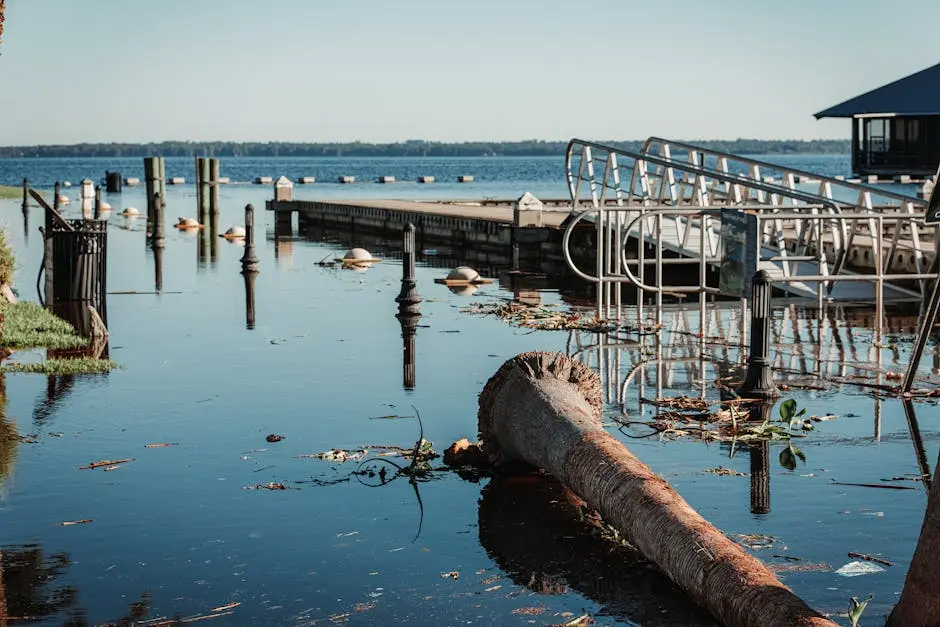
Water damage can be a homeowner’s nightmare. Whether it’s from a leaky roof, burst pipe, or overzealous storm, managing the aftermath is key to maintaining your home’s integrity and value. In this blog, we’ll explore expert tips to help you tackle water damage effectively and with confidence.
The first step in managing water damage is pinpointing the source. Common culprits include leaking roofs, burst pipes, and malfunctioning appliances. Identifying the cause early can prevent further damage and guide your next steps.
In many cases, the signs of water damage are subtle and easy to overlook. Look for discoloration on walls, ceilings, and floors, as these may indicate a hidden leak. Listen for the sound of dripping water when all faucets are off, as this could be the first indicator of a faulty pipe or appliance. Taking the time to investigate these signs can save you from larger repair costs down the line, and keep your home environment safe and dry.
Once you’ve identified a water damage issue, immediate action is crucial. Start by shutting off any water supply that might be contributing to the problem. Remove valuable and sensitive materials from the area to safeguard them from damage.
Next, document the damage for insurance purposes. Take photos and video to capture the extent before any cleanup or repairs begin. This documentation is vital for processing claims and ensuring you get the financial support needed for repairs. Make sure to contact your insurance company promptly to report the situation and understand the next steps in your policy process.
After addressing the source, focus on drying out the affected areas. Use fans and dehumidifiers to increase airflow and reduce moisture levels. Proper ventilation will help prevent mold growth, which can pose health risks and further complicate restoration efforts.
It’s important to note that drying and ventilation are not just about eliminating visible water. Moisture can seep into walls and flooring, creating breeding grounds for mold if left unchecked. Employ infrared cameras and moisture detectors to assess hidden dampness in your walls, ceilings, and floors. This thorough approach ensures your home is truly dry and reduces anxiety about potential hidden issues.
For spaces requiring more intensive drying, it’s wise to loom into professional drying services. These services often use industrial-grade equipment like air movers, desiccant dehumidifiers, and specialized heaters, which surpass standard home devices in efficiency. By incorporating expert solutions, you significantly mitigate the risk of long-term damage and ensure the structural integrity of your home remains uncompromised.
While some water damage issues can be handled as a DIY project, it’s important to know when to seek professional assistance. Complex situations, such as extensive flooding or mold infestation, often require the expertise of licensed professionals to ensure a thorough and effective cleanup.
Professional services bring not only specialized tools but also the expertise to assess hidden damage that you might miss. For example, water could seep into foundational layers, risking structural integrity. Experts are trained to spot such issues, providing peace of mind and reducing the likelihood of recurring problems. Also, by choosing professionals, you often receive continued support and follow-ups to confirm all traces of damage are eradicated.
Once you have managed an instance of water damage, consider preventive measures to protect your home in the future. Regular inspections, maintenance, and upgrades to vulnerable areas like roofing, plumbing, and drainage can greatly reduce the risk of recurring problems.
Installing smart home sensors connected to your phone can offer an added layer of protection against potential water damage. These sensors detect moisture levels and temperature changes, alerting you immediately when something is amiss. This proactive technology helps you tackle minor issues before they evolve into major problems.
Additionally, think of landscaping adjustments that direct water flow away from your home during storms preventatively. Planting water-absorbent foliage around your home and grading the soil so that it slopes away can naturally channel water away from the foundation, reducing the likelihood of seepage into basement areas.
By taking swift action and following these expert tips, you can minimize the impact of water damage on your home. Remember to monitor for early signs of trouble and seek professional help when necessary to ensure your home remains a safe, dry haven.