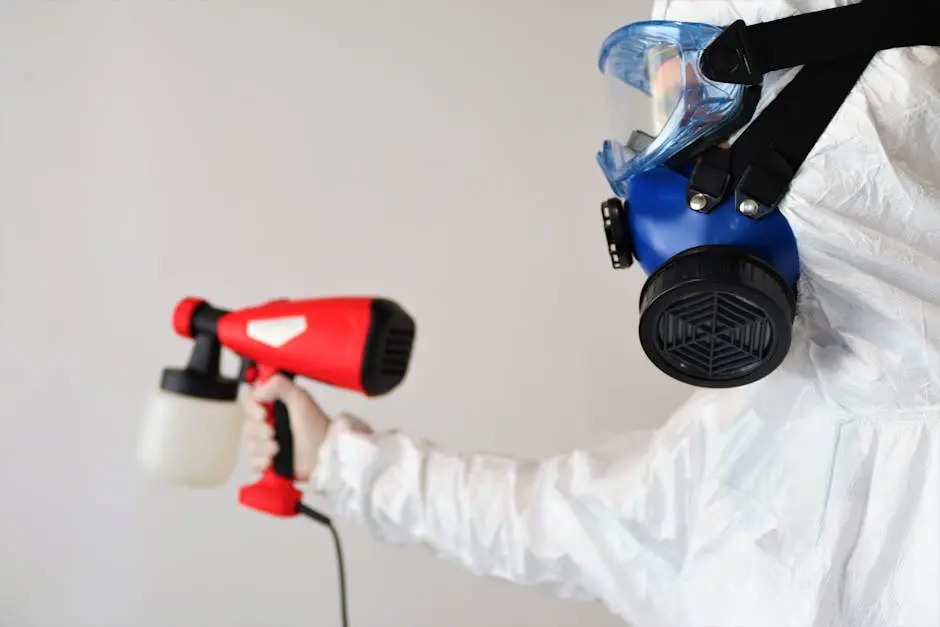
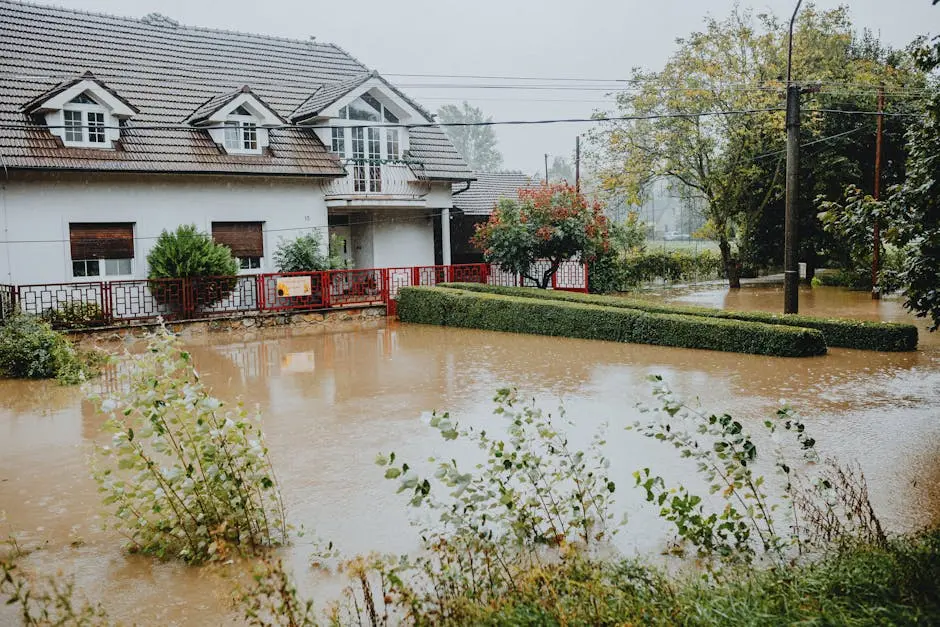
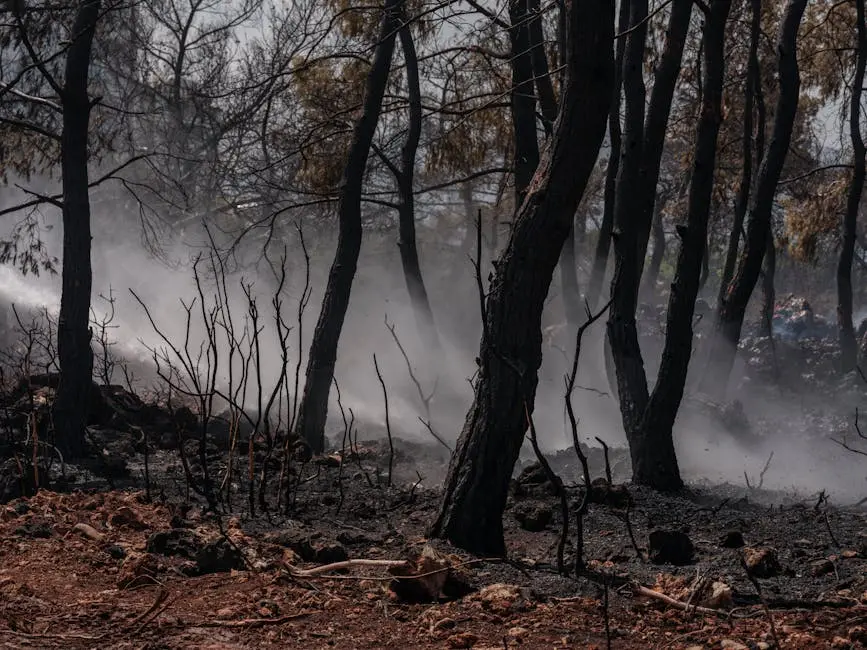
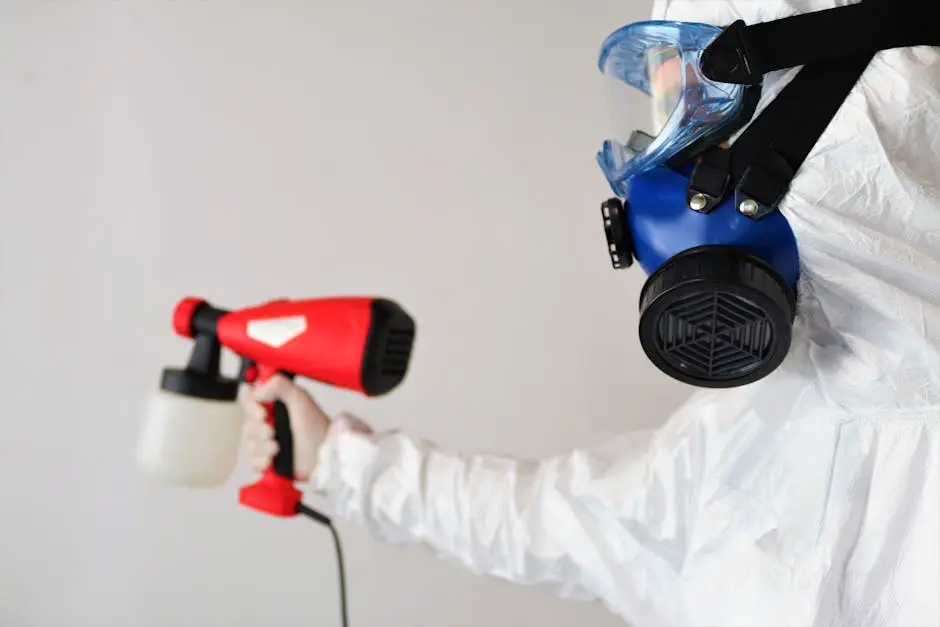
Water damage can be a homeowner’s worst nightmare, especially when it leads to mold infestations. Mold not only damages property but can also pose health risks to you and your family. In this blog, we’ll explore why professional mold remediation in Chattanooga is crucial after experiencing water damage.
When water pours into your home due to burst pipes, flooding, or heavy rainfall, the aftermath isn’t always visible. Hidden behind walls and under carpets, mold can thrive in damp environments. It’s more than just a cosmetic concern; mold, particularly varieties like black mold, can cause significant health problems, including respiratory issues, skin irritation, and neurological symptoms in severe cases. Sensitive individuals and those with pre-existing conditions such as asthma are particularly at risk. This makes understanding the post-water damage environment crucial to safeguarding your health.
Moreover, the structural integrity of your home can be compromised. As mold eats away at fundamental materials like wood, drywall, and insulation, it weakens these structures, potentially leading to costly repairs. In this context, it’s clear why quick action is paramount. Ignoring mold can turn a small problem into a large and expensive issue. Awareness and immediate intervention are your best defenses.
Many homeowners might feel tempted to use over-the-counter cleaning products and a bit of elbow grease to tackle mold. However, these solutions often prove insufficient. Mold can hide in places that DIY methods can’t reach, such as within walls or under flooring. Furthermore, cleaning without proper protective gear can inadvertently expose you to mold spores, increasing health risks. Homeowners may scrub surfaces clean, not realizing that invisible spores remain, ready to regrow.
Inadequate mold removal also means failing to address the moisture problem that led to mold in the first place. Without identifying and fixing the source of moisture, mold is likely to return. That’s why it’s crucial to consider professional help, as experts offer comprehensive solutions that not only remove visible mold but also address its root causes, ensuring long-term protection against recurrence.
Professional remediation services are a wise investment for various reasons. Experts use advanced technology and techniques that are not available to the general consumer. For instance, they employ specialized tools like thermal imaging cameras to detect moisture behind walls, and industrial-grade dehumidifiers to effectively dry out affected areas. This thorough approach ensures not just the removal of mold, but also the prevention of future growth by eradicating moisture. Professionals follow strict industry standards and guidelines, ensuring that the remediation process is safe and effective every step of the way.
Moreover, hiring professional mold remediation services provides peace of mind. With a team of trained specialists, you can trust that the job is done correctly the first time. They assess the level of contamination, recommend the best course of action, and implement solutions with precision. This comprehensive approach not only restores your home to a healthy condition but can also save you time and money in the long run by preventing further damage. Protect your family’s health and restore safety in your living space by seeking expert help.
Selecting the right mold remediation company is crucial for ensuring effective treatment and peace of mind. One of the first steps is to verify that the company holds proper certifications from recognized industry bodies. This not only ensures adherence to safety standards but is also a testament to their expertise and professionalism. It’s equally important to look at the company’s track record. Reading customer reviews and testimonials can provide insight into the quality of their services and customer satisfaction.
Additionally, consider companies that offer a comprehensive range of services, including water damage restoration, as they are likely more equipped to provide a holistic solution. Engaging a company with proven experience in handling local conditions specific to Chattanooga ensures that you’ll receive tailored advice and strategies suited to your environment. Don’t hesitate to reach out and ask potential companies about their experience with similar cases. Ensuring they use environmentally friendly cleaning products reflects a commitment to sustainable approaches, which is another aspect to consider.
Once the mold has been professionally removed from your home, the next step is prevention. Maintaining low indoor humidity is key; ideally, levels should be kept between 30% and 50%. This can be achieved by using dehumidifiers, especially in areas prone to dampness, such as basements and bathrooms. Fix all leaks, as water intrusion can be an invitation for mold to return. Indoor plants, which can release moisture into the air, should be monitored, and adequate airflow through vents and windows should be maintained throughout your home.
Adopting preventative measures post-remediation not only protects your family’s health but also preserves the home’s value. Regular checks and maintenance, such as roof inspections and gutter cleaning, can prevent moisture accumulation and potential mold growth. For long-term peace of mind, consider an annual inspection from a professional team to ensure all conditions remain mold-free. By being proactive, you’re investing in a healthier home environment and avoiding costly future repairs associated with mold damage.
In the aftermath of water damage, addressing mold growth promptly and professionally is crucial for maintaining a healthy and safe home environment. Expert mold remediation in Chattanooga ensures that mold is thoroughly removed, preventing future issues and safeguarding your family’s health. Don’t let mold take control—seek professional help for peace of mind. Visit Flood Fire Pros to learn more about professional mold remediation services.
Water damage can cause extensive harm to your property, leading to costly repairs and dealing with potential health risks. Understanding how water mitigation works is crucial in preventing further damage. In this article, we’ll explore effective water mitigation methods and explain how they can protect your home from additional harm.
Water mitigation refers to the process of reducing or preventing water damage after it occurs. It involves a series of steps aimed at minimizing further damage to your property.
This process begins with assessing the situation to determine the extent of the damage. Professionals then use specialized tools to remove any standing water from the area. The goal is to extract the water quickly and efficiently to minimize any potential damage.
Following extraction, drying and dehumidifying affected areas is necessary. This step ensures that any remaining moisture is removed, which is crucial to prevent mold growth and structural issues.
The faster you respond to water damage, the better. Quick action helps to prevent mold growth, structural damage, and other related problems. It’s crucial to start water mitigation as soon as possible.
Water damage can worsen over time if left unchecked. For instance, porous materials like wood, drywall, and carpets begin to absorb water, leading to warping, swelling, and deterioration. Moreover, damp environments can become breeding grounds for mold just within 24 to 48 hours, posing health risks.
By addressing water damage promptly, homeowners can save hundreds or even thousands of dollars in repairs. Swift action not only minimizes the damage but also supports a quicker and smoother recovery process for the property.
The process typically includes assessing the damage, extracting water, drying and dehumidifying affected areas, cleaning and sanitizing, and finally restoring the property.
After extracting water, professionals move to cleaning and sanitizing. This step is essential to remove any contaminants that might have permeated due to the water intrusion. Sanitizing also helps eliminate odors and create a healthier living environment.
Restoration is the final step, which involves repairing or replacing damaged materials. This may include anything from patching up drywall to replacing flooring or even more extensive reconstruction work, depending on the severity of the damage.
Professional water mitigation services have the expertise and equipment to efficiently handle water damage. They can assess the situation accurately and implement the necessary steps to protect your home.
These experts come equipped with industrial-grade fans, dehumidifiers, and cleaners that ensure the job is done thoroughly and promptly. They know to check hidden spots like behind walls or under floors where water may be trapped.
Using professional services also provides peace of mind, as they offer comprehensive solutions—from initial assessment to complete restoration—ensuring no aspect of the damage is overlooked.
Regular maintenance, proper landscaping, and installing water detection systems can help avoid future water damage. Awareness and preparation are key in preventing recurrence.
It’s important to regularly check your home for signs of leaks or water accumulation, especially in vulnerable areas such as basements, attics, and roofs. Fixing small leaks promptly can prevent them from becoming more significant problems.
Installing water alarms or sensors can alert you when there’s a potential leak, allowing you to address the issue early. Systems like these are integral in keeping your home safe from subtle water damage, which might go unnoticed otherwise.
Water mitigation is an essential process that can save your home from extensive damage and costly repairs. By acting quickly and utilizing professional services, you can ensure that your property is protected from future water-related issues. Remember, prevention is always better than cure, and water mitigation is your key to safeguarding your home.
Smoke damage can be a significant issue in homes and commercial spaces, affecting everything from walls and ceilings to furniture and personal belongings. It can be daunting to figure out whether this type of damage can be entirely undone. In this blog, we’ll explore the process of smoke damage remediation and whether full restoration is achievable.
It’s essential to recognize that smoke damage isn’t one-size-fits-all. There are various types, including dry smoke, wet smoke, protein residue, and fuel oil soot, each requiring unique cleaning methods.
Dry smoke usually results from fast-burning fires and is common in high-temperature settings. Its powdery residue can be easily swept away or vacuumed, but it often seeps into tiny crevices. On the other hand, wet smoke is the product of slower, smoldering fires with low heat, leaving sticky, smelly residues that cling tightly to surfaces. Protein residue, typically from burning food items, can discolor surfaces permanently, making it especially challenging to remediate.
Fuel oil soot, although less common, can occur in settings where oil-burning furnaces are used. Its dense, sticky residue can coat everything, often requiring aggressive cleaning methods. Understanding the particular kind of smoke damage in question is a critical first step in tailoring a remedial approach that will yield the best results.
Time is of the essence when dealing with smoke damage. Prompt action in cleaning and deodorizing can prevent the smoke from penetrating deeply into surfaces and materials, making remediation more effective.
Waiting too long to address smoke damage can result in permanent stains and lingering odors. Porous materials like carpets, upholstery, and drywall are especially vulnerable. Addressing these areas quickly can mitigate long-term harm and preserve the integrity of your home or business.
Aside from immediate cleaning, deodorizing is a crucial aspect of smoke damage remediation. Tiny smoke particles can lodge themselves into even the most unlikely places. Utilizing professional odor elimination methods is key in ensuring that your space smells fresh and clean once more.
Professional restoration services use specialized equipment and techniques such as thermal fogging, ozone treatments, and chemical cleaners to remove smoke particles and odors thoroughly.
Thermal fogging is particularly effective as it works to neutralize smoke odors by using a heated deodorization fog that can penetrate deeply into affected areas. Similarly, ozone treatments are used to destroy odor molecules, ensuring a fresh scent post-remediation.
Chemical cleansers in the hands of skilled technicians can effectively lift and eliminate stubborn soot and residue without damaging the underlying materials. Many of these chemicals are specifically designed to handle certain types of smoke damage, underscoring the necessity of professional intervention. Relying on experts at Flood Fire Pros can maximize the chances of a successful remediation.
Deciding whether to restore or replace items affected by smoke damage depends on the extent of the damage, the material type, and sentimental value. Professionals can help assess these factors.
For items with sentimental value such as family heirlooms or personalized items, restoration might be more desirable despite the cost. This is especially true if the structural integrity of the item remains intact.
For more common items, like furniture or electronics, replacement might be a more cost-effective option if the damage is too extensive. The decision often comes down to a cost analysis weighing the expense of restoration against the item’s value.
To minimize future risks, consider installing smoke alarms, maintaining fire safety in the home, and ensuring appliances are in good working order. Preventive measures can save both time and resources.
Regular maintenance of heating and cooking appliances can prevent many fire-related disasters. Ensuring that electrical wiring is up to code and replacing older appliances are essential steps in safeguarding your space.
An often overlooked preventative measure is creating a fire escape plan and conducting drills. By having a plan in place, potential fire spread can be minimized, subsequently reducing smoke damage risk.
In conclusion, while smoke damage poses a serious challenge, with the right approach and professional help, full remediation is often possible. The key lies in timely action and thorough cleaning processes. Addressing smoke damage promptly can restore your space to its former condition, ensuring a safe and healthy environment.
Mold is more than just an unsightly stain on your walls or ceilings; it’s a health hazard that can impact your wellbeing. Many people underestimate the importance of mold remediation, which is the process of removing and preventing mold growth. In this blog, we will explore why mold remediation is not only essential but also critical for maintaining a healthy and safe environment.
Mold is a type of fungus that thrives in damp and humid conditions. It can grow on a variety of surfaces, and its spores can become airborne, making them easy to inhale. For individuals with allergies, asthma, or compromised immune systems, exposure to mold can exacerbate symptoms, leading to respiratory issues, skin irritations, and even more severe health problems.
Inhaling mold spores can be particularly problematic for the elderly and young children. The tiny spores can cause a range of health issues, such as coughing, wheezing, and throat irritation. Long-term exposure might even contribute to chronic respiratory diseases. Understanding the impact of mold on health is crucial in recognizing the necessity of addressing the problem promptly to protect vulnerable family members.
Moreover, certain types of mold produce mycotoxins, which are toxic compounds that can lead to more severe health conditions when exposed to humans. These toxins can have neurotoxic, immunosuppressive, and carcinogenic effects, further emphasizing the importance of mold remediation. It’s not just about preventing allergic reactions; it’s about safeguarding your overall health.
Many homeowners are tempted to overlook mold, believing it’s merely a cosmetic issue. However, mold can cause structural damage to buildings by breaking down the materials it’s growing on, such as drywall and wood. Moreover, the longer mold is left untreated, the more challenging and expensive it can be to address.
Ignoring mold extends beyond aesthetic concerns—it’s a silent destroyer within the home. Continuous mold exposure will weaken materials, eventually leading to costly repairs. Framing, insulation, and other critical components may deteriorate, creating a domino effect of problems that can compromise the safety of the entire building.
There is also the impact on property values to consider. Homes with visible mold problems often require extensive renovations before they can be sold at a reasonable price. Prospective buyers may be deterred by the presence of mold, making it a financial liability for sellers. Addressing mold issues proactively can save money and preserve the value of your property.
Mold remediation is a systematic process that involves containing and removing mold while addressing the source of moisture. Professionals use specialized equipment to detect mold levels and employ techniques to safely remove it. This process ensures that mold does not return, providing peace of mind and a healthier living space.
The first step in the mold remediation process is assessing the extent of mold growth. This includes identifying any hidden mold that might be growing behind walls or under flooring. Once the scope is confirmed, containment measures are put in place to prevent mold spores from spreading to unaffected areas of the home.
Following containment, the affected areas are thoroughly cleaned, and any materials that are too damaged to salvage, such as heavily infested drywall, are safely removed. You can learn more about our professional remediation techniques and how we ensure efficiency and safety by exploring our services.
Hiring professionals for mold remediation has several advantages. Experts possess the tools and knowledge to effectively eliminate mold and can provide long-term solutions to prevent future growth. They can also identify hidden mold that may not be visible to the naked eye, ensuring a thorough cleanup.
Professional remediators bring an array of expertise and equipment to ensure the job is done right the first time. They can employ infrared cameras to detect hidden moisture sources, conduct air quality tests to assess the level of mould spores, and use specialized cleaning agents that are more effective than consumer-grade products.
Moreover, professional mold remediation can save homeowners time and frustration. Trying to tackle mold growth without the appropriate expertise and equipment can often result in incomplete and ineffective results. By opting for professional services, you can rest assured that your home is being treated thoroughly and effectively.
Prevention is key when it comes to mold. Keeping your home well-ventilated, repairing leaks promptly, and controlling humidity levels can significantly reduce the chances of mold returning. Regular inspections and maintenance can also keep mold at bay and ensure a safer, healthier home environment.
One of the simplest and most effective strategies for preventing mold is ensuring proper ventilation in areas prone to moisture, such as bathrooms and kitchens. Invest in quality exhaust fans and make sure they are used regularly to reduce humidity levels.
Regularly checking and maintaining your home’s plumbing system can prevent water leaks that contribute to mold growth. If you notice any signs of leaks, address them immediately to minimize the chance of mold developing. Additionally, consider using dehumidifiers in damp areas to help manage moisture levels.
Mold remediation is an essential part of safeguarding our health and homes. By understanding the risks associated with mold and taking proactive measures through professional remediation, we can ensure a healthier and safer living environment. Ignoring mold problems can lead to more severe health issues and costly home repairs. It’s always better to be proactive and address mold concerns swiftly for the safety of all.
Experiencing storm damage can be overwhelming, and finding the right repair services to restore your home is crucial. This FAQ guide will help you understand what to look for when searching for storm damage repair near you, ensuring you make the best choice for your needs.
Ensure that the repair company is properly certified and licensed. This guarantees that they meet the necessary standards for quality and safety in storm damage repair.
When assessing a storm damage repair company, certification acts as a mark of credibility. Certified professionals are trained to handle the complexities of storm damage, ensuring that repairs are conducted not only efficiently but also safely. Moreover, licensing usually involves adhering to regional regulations and codes, which protects you from substandard work that could lead to further damage or violations in the future.
It’s also worthwhile to verify the validity of their certifications through authoritative bodies, ensuring the certifications have not expired. The peace of mind that comes from knowing that your home’s repair is in the hands of recognized and qualified experts cannot be overstated.
Look for customer reviews and testimonials to gauge the reputation of the service provider. Positive feedback and high ratings are good indicators of reliable service.
Online platforms like Google and Yelp are treasure troves of customer insights. The tone and content of reviews can give you an idea of customer satisfaction, professionalism, and the overall service quality. While no company is without a few displeased customers, consistent patterns of dissatisfaction should be a red flag.
Testimonials often highlight specific instances where the company has gone above and beyond, providing reassurances of the extra mile the service may offer. A personal recommendation or a well-documented case study featured in their testimonials might offer just the conviction you need to make a decision.
Different companies offer various services. Make sure the repair service you choose can handle all aspects of storm damage, from structural repairs to cosmetic fixes.
While some companies specialize in certain types of damage, such as roofing or siding, comprehensive service providers cover all areas impacted by the storm. This includes water extraction, electrical repairs, mold remediation, and even home restoration projects. Understanding the full suite of services they offer can prevent the need to juggle multiple contractors—a task that could be both time-consuming and stressful.
If you’re near a coastal area, you might want additional services that address saltwater corrosion, while others in tornado-prone regions might prioritize structural damage fixes. Tailoring your choice of repair service to the specific vulnerabilities of your location can save you significant time and hassle.
Obtain quotes from several companies to compare pricing. This will help you find a service that fits your budget while still offering quality repairs.
Comparing quotes isn’t just about finding the cheapest option but understanding the value for money. Pay attention to what’s included in the estimates. Some companies might offer low initial quotes but exclude necessary components like material costs or certain labor charges, which can lead to unexpected expenses later on.
It’s beneficial to engage in discussions with the company representatives about your estimates—they can often provide insights on cost breakdowns or suggest alternative solutions that align better with your financial constraints. Always remember that a transparent pricing structure is a hallmark of a trustworthy business.
Local companies are often more familiar with the types of storms common in your area and may provide faster response times during emergencies.
Local expertise means understanding the unique weather patterns and potential hazards your region might face, allowing for faster diagnosis and more tailored solutions. Additionally, a business rooted in the community is more likely to have ties with local suppliers, potentially reducing delays in obtaining necessary materials.
An added advantage of opting for local specialists is their availability for follow-up services or future maintenance needs. Building a long-term relationship with a storm damage repair service ensures that your property is well-maintained across all seasonal challenges.
Finding a reliable storm damage repair service doesn’t have to be daunting. By checking for certification, researching reviews, understanding service offerings, comparing quotes, and prioritizing local expertise, you can ensure your property is in good hands. Should you need further assistance, feel free to reach out to us at Flood Fire Pros where we specialize in comprehensive repair and restoration services that cater to all your storm-related needs.
Smoke odor in your home can be a persistent nuisance, whether it’s from cigarettes, cooking, or a recently extinguished fire. Fortunately, with the right approach, you can tackle this problem head-on and restore a fresh, inviting atmosphere to your living space. In this guide, we’ll explore practical and effective methods to eliminate smoke odor from your home.
The first step in effectively eliminating smoke odor is identifying its source. Smoke particles can linger in various materials like upholstery, carpets, and walls. Understanding where the odor is coming from will help you target your cleaning efforts more effectively.
Smoke odor can be a surprisingly stubborn issue due to its pervasive nature. When smoke is released into the air, it quickly settles on surfaces and gets absorbed into porous materials. It’s crucial to recognize that smoke odor might not just come from visible residues but also from deep-seated particles embedded in fabrics and structural elements. For a comprehensive approach, inspect lesser-considered areas like light fixtures, vent covers, and even the hidden corners of cabinets. By pinpointing these often-overlooked sources, you can start your cleaning process with a clear strategy in mind.
Improving air circulation is crucial for reducing smoke odor. Open windows and doors to let fresh air in, and consider using fans to help move stale, smoky air out of the home quickly.
Proper ventilation is not just about opening windows and doors; it’s about creating an effective airflow pathway. Locate doors and windows opposite each other, which facilitates cross-ventilation, allowing fresh air to sweep through your space more efficiently. Consider the use of exhaust fans, especially in the kitchen and bathroom, as they help in expelling smoke-laden air quickly. If your home lacks built-in fans, portable options can be a worthwhile investment. Furthermore, regularly maintaining your HVAC system can enhance air movement, ensuring stale air doesn’t become trapped within your living environment.
In some cases, simply increasing ventilation may not suffice, especially in older homes with restricted airflow. You might need to employ additional air-moving devices such as window fans or whole house fans that can be mounted to draw air in or push it out efficiently. On particularly smoky days when natural ventilation isn’t practical, these devices can be lifesavers, maintaining a flow of clean air into your living spaces.
Thoroughly cleaning surfaces like walls, ceilings, and floors can help eliminate smoke particles that cling to these areas. Use appropriate cleaning solutions and tools designed to break down smoke residue.
When dealing with smoke residue, remember that not all cleaning agents are created equal. It’s important to choose solutions that are specifically formulated for smoke residue removal to ensure effectiveness without causing damage to surfaces. For walls and ceilings, a mixture of ammonia or vinegar diluted with water can break down stubborn residues, but be sure to test it on a small area first to avoid discoloration. In professional settings, enzyme cleaners are often recommended for breaking down organic compounds in smoke, making them an excellent choice for household cleaning as well.
Some materials, such as fabric and upholstery, require specific treatments to remove smoke odor. Solutions like baking soda, vinegar, and specialized cleaners can effectively neutralize odors embedded in these materials.
For fabrics, consider treating them with a mixture of vinegar and water, allowing them to soak for a while before washing to ensure deep penetration. Baking soda serves as an excellent deodorizer; sprinkling it liberally on upholstery or carpeting can help neutralize odors. Allow it to sit overnight if possible before vacuuming it up. For more delicate materials, test any solution on a small, inconspicuous area to ensure there’s no damage or discoloration.
Leather furniture adds its complexity due to its sensitivity to liquid and chemical treatments. In such cases, a mild soap solution followed by a conditioning treatment can help, but always use products specifically designed for leather to avoid unintended damage. Keep function and safety in mind, particularly when dealing with vintage or high-value items, as improper cleaning techniques or solutions can cause irreversible damage.
Consider investing in air purifiers with HEPA filters to capture smoke particles. Additionally, natural deodorizers like activated charcoal or commercial odor removers can help maintain a fresh-smelling home.
HEPA filters stand out because they are capable of trapping tiny particles that ordinary filters might miss. Including models with activated carbon filters offers an additional layer of smell absorption, which is particularly effective in reducing persistent smoke odors. Place air purifiers in strategic locations around your home, especially in areas where smoke odor tends to accumulate like the living room or bedrooms.
For those interested in sustainable options, natural deodorizers like houseplants can help enhance air quality. Plants such as snake plants, Boston ferns, and bamboo palms are natural air purifiers. They absorb pollutants and toxins, therefore helping to reduce the smoke odor lingering in your home environment.
Once your home is free of smoke odor, take steps to prevent it from returning. Implementing no-smoking policies, using exhaust fans during cooking, and keeping windows open when possible are effective preventative measures.
In addition to these measures, consider using air-tight containers to store foods and prevent cooking odors from seeping into your space. Regular maintenance checks for smoke detectors and ventilation systems can also help nip potential smoke issues in the bud. Furthermore, incorporating routine deep-cleaning into your home maintenance schedule ensures any developing odors are addressed timely, preserving your comfortable and fresh indoor environment.
Eliminating smoke odor from your home might seem like a daunting task, but with the right strategies and a little persistence, you can achieve a fresh and pleasant environment. By implementing these methods, you’ll be able to enjoy a home that’s free from unwanted odors and more comfortable for you and your guests. Don’t hesitate to visit our homepage for more expert tips and services to help maintain your home’s freshness.