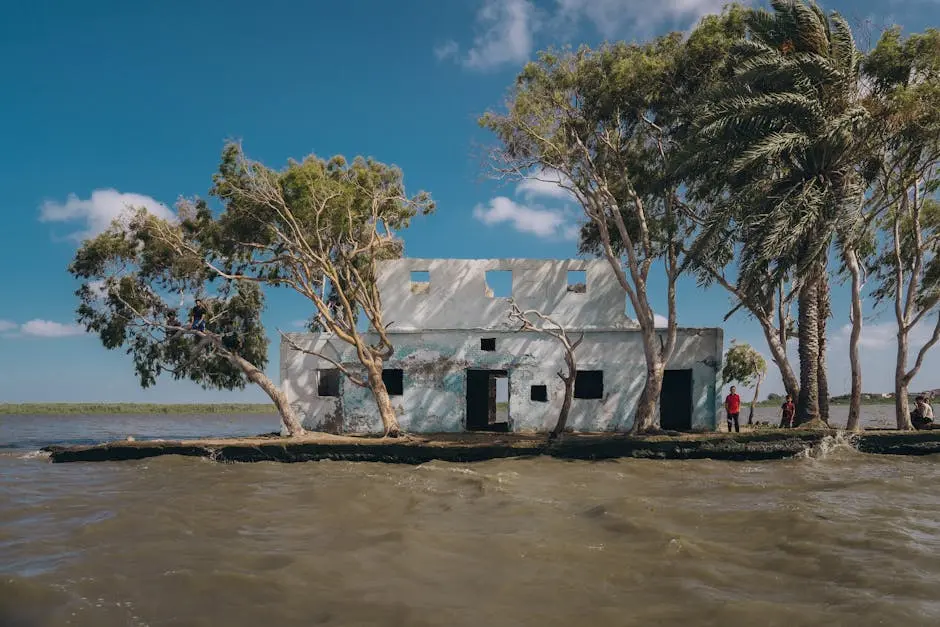
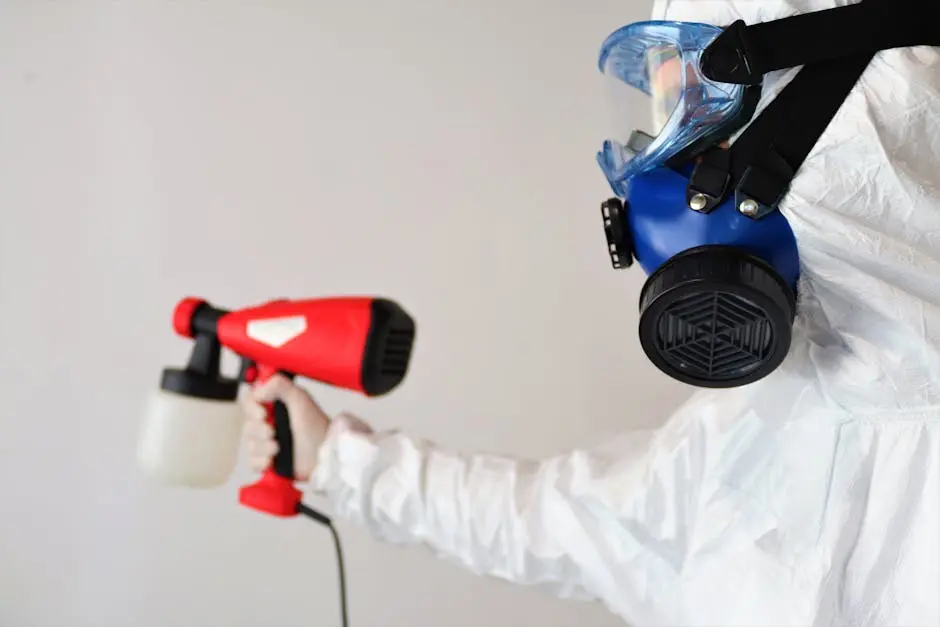
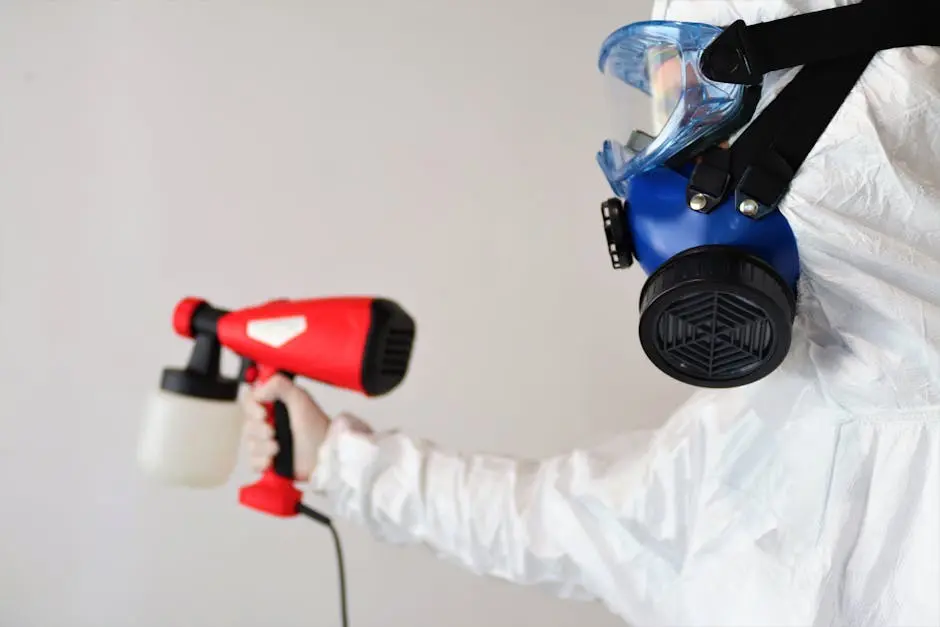
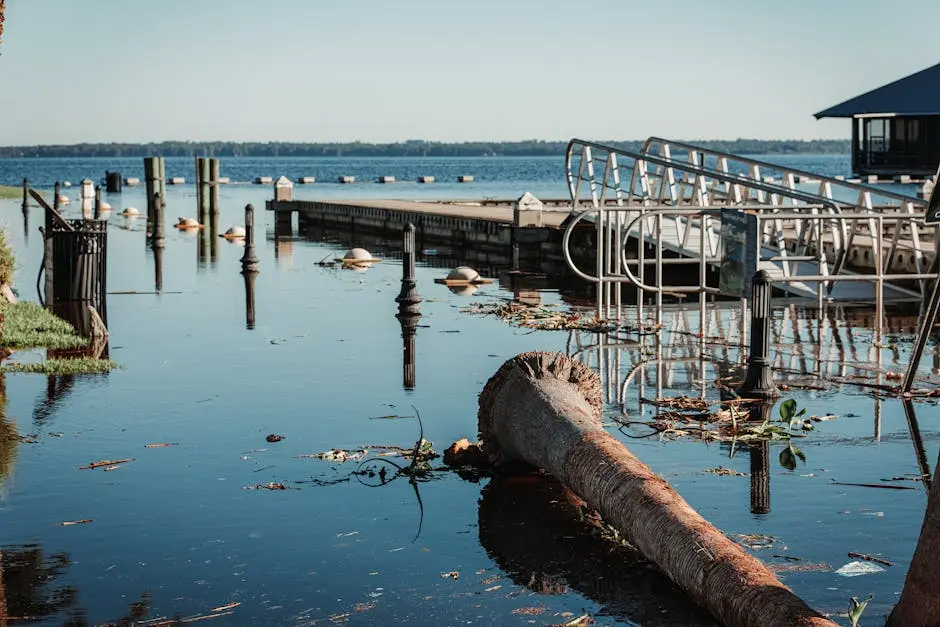
When disaster strikes, dealing with water damage can be overwhelming. Knowing what to expect and having a plan can make all the difference. In this blog, we’ll walk you through the process of water damage repair, helping you understand each step and what to anticipate along the way.
The first step in addressing water damage is recognizing the signs. Common indicators include discoloration on walls and ceilings, a musty odor, or warped flooring. By identifying these signs early, you can prevent further damage and save on repair costs.
But what makes these signs more than just minor issues? These early signs often indicate underlying problems that could lead to severe water damage if left unattended. For instance, discoloration on a wall might initially seem like an aesthetic issue but could actually signal a leaky pipe behind the surface. Similarly, a musty odor often suggests mold growth, which thrives in moist environments and poses health risks if not addressed promptly. It’s essential to investigate these signs thoroughly by enlisting the help of a professional water damage expert who has the tools to assess and mitigate hidden issues effectively.
Once you identify water damage in your home or business, it’s crucial to act quickly. Start by turning off the water source if applicable, and ensure the area is safe from electrical hazards. Next, document the damage for insurance purposes and reach out to a professional water damage repair service near you.
Time is of the essence in these situations. Not only do you need to address the immediate hazards, but you also have to manage potential long-term impacts on your property. Salvaging belongings quickly can be crucial. Items like photographs, documents, and electronics may have a chance of restoration if addressed quickly. Remember to wear protective gear if you choose to enter affected areas to minimize your exposure to possibly contaminated water or mold. Once you’ve handled immediate concerns, contacting a local professional can bring peace of mind. Find the best service by researching, checking reviews, and ensuring the company has the necessary certifications and insurance.
Selecting a trustworthy water damage repair company can be daunting. Look for services that offer prompt response times, transparency in their process, and positive customer reviews. It’s essential to work with professionals who can navigate the complexities of water damage remediation effectively.
When assessing potential water damage repair services, consider their certifications and affiliations, as these often speak volumes about their credibility and expertise. A company certified by recognized institutions is more likely to have up-to-date knowledge and the skills required to tackle your issues efficiently. Additionally, inquire about their experience with insurance claims, which can be a highly complex process. A seasoned repair service often collaborates well with insurance companies, facilitating smoother, quicker claims to lessen the stress on you.
The repair process typically includes assessment, water removal, drying, cleaning, and restoration. Each stage is critical for returning your property to its pre-damage state. Expert repair services use specialized equipment and techniques to ensure thorough remediation.
Starting with a detailed assessment allows professionals to gauge the extent of damage. During this stage, they use advanced tools like moisture detectors and hygrometers to pinpoint areas impacted and potential risks. Next, water removal is executed using powerful pumps and vacuums designed for rapid extraction. Following this, industrial-grade dehumidifiers and air movers play a trillion in the drying process, inhibiting mold growth by eliminating residual moisture. Cleaning and sanitization eliminate any contaminants, ensuring a safe environment post-repair. Finally, restoration involves rebuilding and repairing affected areas, which might range from minor drywall fixes to major reconstruction, depending on the severity of the damage.
After repairs are complete, it’s important to take steps to prevent future incidents. Regular maintenance, such as checking for leaks, clearing gutters, and inspecting seals around windows and doors, can help protect your property from water damage in the future.
Installing preventive measures enhances protection against unforeseen disasters. Consider investing in a sump pump system, particularly if you reside in a flood-prone area. Regularly test and maintain it to ensure it’s ready when needed. Moreover, landscaping modifications can aid proper drainage, guiding water away from your home’s foundation. These include grading your yard and utilizing swales or French drains. Proactive strategies reduce the likelihood of severe water intrusion, ultimately safeguarding your home and your peace of mind.
Facing water damage is never easy, but understanding the repair process can turn a daunting situation into a manageable one. By knowing what to expect, you can take proactive steps to mitigate damage and get your home or business back to normal as quickly as possible. Remember, prompt action and choosing the right professional can make all the difference. Consider visiting Flood Fire Pros for professional assistance when disaster strikes.
Finding the right mold remediation service can be a daunting task, but it doesn’t have to be. With some insightful tips, you can choose the best service near you to ensure your home is safe and mold-free. Let’s dive into these friendly, easy-to-follow guidelines.
Mold is not just an unsightly problem; it can lead to severe health issues like respiratory infections and trigger allergies. It thrives in damp environments, often going unnoticed until it becomes a significant issue. The health risks, combined with potential structural damage to your home, make mold remediation an essential service. By removing mold promptly, you can prevent further damage and health complications, ensuring a safe living environment for your family.
Beyond health risks, mold can also affect the resale value of your property. Homes with a history of mold can turn off potential buyers, leading to lower offers and prolonged time on the market. This is why understanding the importance of thorough mold remediation is crucial, not just for your immediate safety but also for the long-term investment in your home.
When selecting a mold remediation company, ensure they are certified by organizations like the Institute of Inspection, Cleaning and Restoration Certification (IICRC). Certification means that the company follows industry standards and is up-to-date with the latest techniques and methods in mold removal. Accredited companies are also more likely to adhere to safety protocols, protecting both their employees and your property.
Be wary of companies that cannot provide proof of certification. In this industry, accreditation is a testament to a company’s professionalism and commitment to quality service. Choosing a certified company ensures you’re working with trained professionals who know how to handle the complexities of mold remediation effectively.
Proven experience often equates to expertise. A company with years in the field will have encountered a wide array of situations and challenges, equipping them with the knowledge to handle unique cases effectively. Experienced companies also tend to have refined processes, ensuring a more efficient and thorough job.
Asking the company about their history with mold remediation can give you a sense of their expertise. Find out how long they’ve been operating and if they have any case studies or examples of past work. Companies that have successfully handled similar situations in the past are likely to deliver reliable results.
In today’s digital age, customer reviews and testimonials are readily available and incredibly helpful. By reading reviews, you can gain insights into the quality of the company’s service, their reliability, and how they handle complaints or issues. Look for patterns in the feedback. If multiple customers praise their timeliness or thoroughness, it’s likely a good sign.
Testimonials can be especially telling. A company that can provide positive feedback from past clients demonstrates a history of satisfaction. While a couple of negative reviews aren’t necessarily a dealbreaker, repeated complaints should be considered seriously. These reviews can provide a snapshot of what to expect and help you avoid potential pitfalls when selecting a mold remediation service.
Pricing can often be a reflection of value, but it’s important to strike a balance between cost and quality. While it may be tempting to go for the lowest quote, consider what is included in their pricing. Cheap services may cut corners or use subpar materials, leading to less effective remediation. Instead, aim for a company that offers transparency in their pricing, detailing what each dollar covers in the process.
It’s also worth checking if the company offers any financing options or discounts for larger jobs. Some may offer free inspections as part of their service, providing value even before the remediation begins. Weighing the cost against the benefits and long-term value a thorough remediation service can provide is crucial to making the best decision.
A comprehensive inspection is key to effective mold remediation. It’s essential to know the scope of the mold problem before tackling it. Ensure that the company you choose will conduct a thorough inspection to identify not only visible mold but also hidden colonies. This diagnostic step can influence the entire remediation process.
Ask potential companies how they conduct their inspections and what tools they use. Advanced tools, such as moisture meters and thermal imaging cameras, can pinpoint problem areas that aren’t visible to the naked eye. A meticulous inspection can prevent recurrence by ensuring that all mold sources are eliminated.
The mold remediation industry has evolved significantly, with new technologies and methodologies continually emerging. Companies utilizing cutting-edge technology often achieve more thorough and efficient results. For instance, some companies use air scrubbers or specialized chemical treatments that can be far more effective than traditional methods.
When inquiring about remediation approaches, ask about the technological tools they employ and how these can aid in a more effective remediation. This is especially important in severe cases where traditional methods might fall short. Ensuring the company is up-to-date on current advances can make a significant difference in the outcome of the remediation process.
Insurance is a critical component to consider when hiring a remediation service. It not only protects the workers but also covers any accidental damage to your property during the remediation process. Without insurance, you may be held liable for any injuries or mishaps that occur on your property.
Upon initial consultation, ask the company to provide proof of insurance. A reputable company will have no problem showcasing their coverage details. Verifying insurance protects you from potential financial and legal headaches throughout the remediation process.
A company’s customer support can often indicate the overall quality of their service. Responsive and friendly support can make the process less stressful and more efficient. Whether it’s through email, phone calls, or face-to-face meetings, good customer support is essential for addressing any concerns or questions you might have.
Evaluate their responsiveness and willingness to help during your initial inquiries. Are they patient and informative, or do they rush you? Customer support plays a vital role in ensuring a smooth experience. Companies that prioritize customer care are more likely to exceed expectations in their service delivery.
Warranty policies are a sign of a company’s confidence in their work. A good warranty means that if mold returns, the company will address the issue without additional charges. This assurance is invaluable, especially if the root cause isn’t fully resolved initially.
Inquire about the duration and coverage specifics of the warranty. Some companies offer guarantees that cover both service and materials, while others may only provide limited coverage. Knowing what you’re entitled to if problems arise is crucial for peace of mind post-remediation.
Companies embedded within their communities are often more attuned to local challenges. Local knowledge can lead to more accurate diagnosis and tailored solutions, as they understand regional climate influences on mold growth. Engaging with companies involved in community initiatives also suggests a level of trust and commitment to service quality.
Additionally, local companies may offer faster response times and flexibility in scheduling, essential during urgent mold issues. Their reputation in the community can be a solid indicator of their reliability and trustworthiness in delivering efficient service.
Trusting your instincts is often the final step in narrowing down your options. The process of hiring a mold remediation company involves numerous factors to consider, but if something feels off during your interactions, it might be best to continue your search.
Listen to any hesitations or concerns that arise and weigh them alongside the facts. Your comfort with the chosen company is just as important as their credentials and experience. Finding a service that you feel confident about ensures a smoother experience and satisfactory results.
Mold can be more than just an unsightly problem in your home—it can pose serious health risks and cause structural damage if not addressed promptly. In this blog, we will explore why it’s essential to seek immediate mold cleanup services near you and how acting swiftly can save you time, money, and ensure a healthy living environment.
Mold is not just a cosmetic problem. It can cause respiratory issues, allergic reactions, and exacerbate existing health conditions like asthma. Mold releases spores into the air, which can be inhaled, leading to health complications over time.
One of the most significant concerns with mold exposure is its impact on individuals with weakened immune systems. These people are more susceptible to the health effects of mold, making them a vulnerable group during any mold outbreak in the home. It’s important to note that certain types of mold, such as black mold, are particularly hazardous due to the toxins they release, which can lead to more severe health issues, including neurological problems.
Beyond health considerations, mold can also affect the structural components of your home. As it grows, mold feeds on organic material, which commonly includes the wood and drywall in your house. This can compromise your home’s structural integrity, leading to costly repairs if the mold is not addressed in time.
Ignoring mold can lead to more extensive damage, resulting in costly repairs down the line. The longer mold is left untreated, the more it spreads, destroying walls, carpets, and even affecting the structural integrity of your home.
In many cases, homeowners might underestimate the insidious nature of mold growth, only to find that what started as a small patch has expanded into a major infestation. This can escalate from needing a minor cleanup to undertaking extensive renovations, which can be financially burdening. Moreover, delayed cleanup can lead to increased utility bills as mold impacts the efficiency of HVAC systems by clogging filters and ducts, necessitating repairs or even replacement of these systems.
Professional mold cleanup services offer expertise and the right tools to effectively remove mold. Experts use specialized equipment to detect hidden mold and ensure that it’s thoroughly eradicated, preventing recurring problems.
Qualified professionals perform an initial mold inspection to assess the extent of mold spread and the areas affected. They possess the knowledge and tools to not only address visible mold but also to uncover and treat hidden colonies that could be thriving behind walls or beneath floorboards. Their comprehensive approach can save homeowners the headache of repeated mold problems while ensuring that homes are returned to a safe and livable condition.
Additionally, professionals are well-versed in safety protocols, using protective gear that shields them from the potential health impacts of mold exposure. This is a critical point for homeowners, as improper handling of mold by untrained individuals could lead to further spread or health risks. Opting for professional help is not just a convenience; it’s often the safest and most reliable method of handling a mold crisis.
When searching for ‘mold cleanup near me,’ it’s important to find a reputable service with positive reviews and proper certification. A reliable service will provide a clear assessment, transparent pricing, and work efficiently to restore your home.
Consider factors such as the service provider’s experience, the range of services offered, and their approach to customer service. Verify that the company holds the necessary certifications and follows industry standards and regulations for mold removal. Testimonials and reviews can be extremely insightful in selecting a service, as they offer real-life accounts of past clients’ experiences and satisfaction.
Besides prompt cleanup, regular home maintenance and preventive measures can help keep mold away. Addressing leaks, ensuring proper ventilation, and using dehumidifiers in damp areas can significantly reduce the risk of mold growth.
Preventing mold isn’t just about cleaning; it’s about creating an environment where mold spores cannot thrive. Simple actions like fixing leaks in roofs, walls, and plumbing promptly can eliminate a major source of mold growth. Regular inspections can identify areas prone to moisture accumulation, while maintaining sufficient ventilation helps circulate air and reduce humidity levels, minimizing the conditions in which mold prefers to grow.
Timely mold cleanup can make all the difference in maintaining a safe and healthy home. By understanding the risks of ignoring mold issues and recognizing the importance of professional cleanup services, you can prevent further damage and protect your family’s well-being. Remember, when it comes to mold, prompt action is key.
Dealing with water damage can be a daunting task for any homeowner. Whether it’s due to a leaky roof, burst pipe, or natural disaster, finding a reliable water removal service near you is crucial to quickly and effectively addressing the problem. This guide will walk you through the steps to find trustworthy water removal services that can help restore your home to its original condition.
Water damage can cause serious structural issues and health problems if not addressed promptly. Reliable water removal services are essential for mitigating the damage, ensuring that your home is safe and habitable once more.
Water is mighty and, when left unchecked, can penetrate into building materials, leading to rotting wood, rusting steel, and dangerous mold growth. This can not only endanger the structural integrity of your home but also create an unhealthy living environment. Mold spores, when inhaled, can trigger allergic reactions or even more severe health issues. That’s why immediate action with a trusted water removal service is vital to preventing these unfavorable outcomes.
Before beginning your search, it’s important to assess your situation. Determine the extent of the water damage and what services you require, such as water extraction, drying, or mold remediation.
It’s crucial to identify if the water damage is minor, like a slight leak from a plumbing issue, or major, such as extensive flooding caused by heavy rains. Understanding the scope of the damage can guide you in explaining your needs to the professional water removal services, ensuring they come prepared. Also, consider ancillary services like mold removal, which is essential when dealing with water damage, as mold can quickly grow and spread just days after the initial water exposure.
Start by compiling a list of water removal companies in your area. Look for companies with good reputations and a strong presence in your community to ensure reliability.
Online directories and local business listings can be an invaluable resource. Focus on companies that not only offer competitive rates but also have longstanding histories in your region. This typically indicates a proven track record and understanding of local concerns, such as common weather-related issues or municipal regulations. Community forums and neighborhood social media groups may also provide insights into which companies are most trusted by your peers.
Reading online reviews and asking for recommendations from friends or neighbors can provide insight into the quality of service and customer satisfaction of potential companies.
Customer testimonials often give a clear indication of a company’s reliability. Pay special attention to reviews that highlight punctuality, professionalism, and the effectiveness of their repair efforts. It’s wise to look for patterns in reviews, such as multiple complaints about delays or consistently high praise for their efficiency. Direct recommendations from people you trust can further assure you of a company’s credentials.
Ensure that any company you consider is properly licensed and insured. This guarantees that they meet industry standards and can cover any potential damages or accidents during the service.
When a water removal service is properly licensed, it demonstrates adherence to local laws and industry standards, ensuring that professionals handle your case. Beyond licensing, verifying insurance is equally crucial. This assures you are protected against liabilities in case of unexpected mishaps during the water removal process. A company with both these credentials typically prioritizes quality and safety in their work.
Request estimates from multiple companies and compare their pricing. Make sure you understand the cost breakdown and what is included in their services to avoid unexpected expenses.
While assessing costs, remember that the cheapest option isn’t always the best. A low price may reflect lesser experience or inadequate tools and techniques. Look for a balance of competitive pricing and robust service offerings. It’s often beneficial to discuss packages that could cover more comprehensive repairs or insurance collaborations, which can sometimes save you unforeseen expenses in the long run. Scrutinize contract terms for any hidden charges or ambiguous clauses before making your decision.
Finding a reliable water removal service near you doesn’t have to be overwhelming. By doing your research, checking reviews, and understanding what you need, you can make an informed decision. Remember, the key is to act quickly but thoughtfully to protect your home and belongings.
Mold is a common household issue that can lead to serious health problems if not addressed properly. Whether you’ve noticed a small patch in your bathroom or a larger infestation in your basement, understanding the basics of mold removal is crucial. In this blog, we’ll break down the essentials of mold remediation in a simple and accessible way.
The first step in mold removal is identifying its presence. Mold can come in various colors and textures, often appearing as fuzzy or slimy patches on walls, ceilings, or in damp areas. It’s important to recognize early signs to prevent further spread.
Mold thrives in damp environments, particularly in areas drenched by water leaks or heightened humidity. Basement floors, bathrooms, and kitchens are common hotspots. Sometimes, you can detect mold by its musty odor even before you see it. However, it can also lurk behind walls or under carpets, making it harder to detect without proper inspection. Proper identification involves knowing different types of mold and recognizing variations in color and texture, from black and green to yellow and white.
Mold exposure can lead to a range of health issues, especially for individuals with allergies, asthma, or weakened immune systems. Symptoms may include sneezing, eye irritation, respiratory problems, and more. Understanding these risks highlights the importance of addressing mold promptly.
It’s important to note that not everyone reacts to mold exposure in the same way. While some may experience mild symptoms, others, particularly young children and the elderly, might face severe health implications. Long-term exposure can also contribute to more chronic conditions such as sinus infections and chronic fatigue. For those suffering from or prone to respiratory issues, knowing what mold can do to the lungs is essential in prioritizing proper mold removal as part of your home maintenance routine.
There are several methods for removing mold, depending on the severity and location. From DIY options using household cleaners to hiring professional services, knowing the right approach for your situation is key to successful mold remediation.
For smaller infestations, one might consider a DIY approach. Simple solutions like vinegar or baking soda can be effective against minor mold. However, it’s crucial not to mix cleaners accidentally, as this might produce harmful fumes. For larger or more stubborn mold problems, hiring professional mold remediation services may be necessary. Professionals use specialized equipment and follow safety procedures to ensure thorough mold removal and prevent recurrence.
Preventing mold growth is often simpler than dealing with an existing problem. Ensuring proper ventilation, controlling humidity levels, and fixing leaks promptly are some of the effective strategies to stop mold before it starts.
Consider using dehumidifiers in damp-prone areas of your home and ensure that your home’s humidity levels are kept below 60%. Regularly cleaning and disinfecting areas prone to moisture accumulation can also prevent mold growth from establishing. Additionally, staying informed on seasonal changes affecting mold growth allows you to take proactive steps to safeguard your home during times when mold is more likely to flourish, such as in the rainy season or during heavy floods.
By understanding the basics of mold removal, you can take the necessary steps to protect your home and loved ones. With proper prevention and treatment strategies, you can effectively manage mold growth and maintain a healthy living environment. Remember, when it comes to mold, being informed and proactive makes all the difference. For comprehensive professional assistance, visit Flood Fire Pros.
Dealing with the aftermath of a flood can be overwhelming, especially when it comes to preventing mold growth. This guide will walk you through the essential steps for effective mold remediation, ensuring your home returns to a safe and healthy state. Let’s dive in and get started!
Understanding the scope of water damage in your home is the first crucial step. This helps in deciding the course of action for effective remediation. Begin by investigating all rooms and checking walls, floors, and ceilings for signs of water infiltration. It’s vital to be thorough, as even small patches of moisture left untreated can lead to significant mold growth later. Document the damage extensively with photos or videos, which can aid in conversations with insurance claims or professional remediation teams. In severe cases, hiring a professional inspector can provide you with a detailed assessment of the damage and any potential risks, ensuring nothing is overlooked.
Moreover, water damage is not always immediately visible. Pay attention to musty odors and the appearance of moldy spots, which could indicate hidden issues. Check areas under sinks, inside closets, and behind furniture where dampness may have been trapped. The more information you gather at this stage, the better prepared you will be to tackle the necessary steps in preventing mold from taking hold and proliferating in your living space.
Before stepping into the affected areas, make sure the power is off and the building is structurally sound to avoid any hazards. Floodwaters can cause electrical risks, and the last thing you want is to exacerbate the situation with additional accidents. Always wear protective gear, such as rubber boots and gloves, to safeguard against potential contamination or injury from debris. If you suspect damage to gas lines or notice odors, evacuate immediately and contact the relevant emergency services.
Using pumps, vacuums, or mops, remove any standing water as swiftly as possible to minimize further damage and mold growth. Time is of the essence here. The longer water sits, the greater the chance for mold to develop. If the flood involves more than a few inches of water, you might need to rent or purchase specialized equipment to handle the removal efficiently. It’s vital to not underestimate the volume of water—sometimes smaller pools of water can spread much further beneath floors or into wall cavities than initially anticipated.
While it’s crucial to remove the water quickly, don’t compromise safety or thoroughness. Ensure all tools and equipment used are appropriate for water removal and that power sources are safe from water contact. Once the bulk of the water has been cleared, use towels or other absorbent materials to soak up any residual dampness, especially around edges, corners, and low spots where water tends to gather. This stage is pivotal in reducing the overall moisture level in your home, setting the stage for effective drying.
Utilize fans and dehumidifiers to remove moisture from wet surfaces. Thorough drying is vital to prevent mold spores from thriving. Aim to have as much airflow as possible. Open windows and doors to increase ventilation. Place fans strategically to ensure air is circulating through the room—this will aid in evaporating moisture trapped in walls or flooring. If dehumidifiers are available, these devices will help significantly by extracting moisture from the air, thereby accelerating the drying process.
Keep in mind that humidity levels in a well-dried house should be below 60%; ideally, you want them to be even lower. Frequency of airflow is also a consideration—aim for a constant movement of air through the spaces. Depending on the severity of flooding, running fans and dehumidifiers for a week or more isn’t uncommon to eliminate residual moisture comprehensively. Patience at this stage pays off in preventing mold spores from gaining a foothold.
Any materials that have been heavily soaked or are unsalvageable should be safely discarded to prevent mold from spreading. This includes items such as carpets, padding, insulation, and drywall that have absorbed significant amounts of water. Unfortunately, if these remain, they provide an ideal environment for mold growth because they retain moisture and are often porous.
When disposing of these materials, take care to follow local guidelines for hazardous waste removal, as floodwaters can contain contaminants. It’s advisable to seal contaminated items in plastic bags to prevent mold spores from scattering as you carry them through your home. Clearing out these materials as early as possible enables you to assess the structural elements of your home and make any necessary repairs or replacements.
Thoroughly clean and disinfect surfaces with mold-killing solutions to eliminate any remaining spores and prevent future outbreaks. Use a mixture of water and detergent for initial cleaning, followed by a disinfectant that is known to kill mold on contact. Pay extra attention to surfaces that tend to retain moisture, such as bathroom fixtures and basement walls.
Considerations for cleaning should include the type of surface and its exposure level to water. For heavily affected areas, stronger commercial-grade products may be required. Always wear protective equipment when working with cleaning agents, and ensure that there is adequate ventilation to prevent inhaling fumes. Not only does this step mitigate the risk of current spores, but it establishes a cleaner environment overall.
Regularly inspect the affected areas to ensure mold has not returned, keeping an eye out for any signs of regrowth. Re-investigate areas known for high moisture, like kitchens or bathrooms, and look for telltale signs of mold such as discoloration or a musty odor. Consistent checks every few weeks are recommended until you are confident that the site remains clear of mold.
Document any changes over time. Keeping records of what new measures have been introduced, and how they impact the environment will inform whether further action needs to be taken. Proactive efforts in this step help maintain mold-free conditions and assist in providing peace of mind that your space is safe and healthy.
When replacing items or renovating, opt for mold-resistant materials and paints to help guard against future infestations. Materials such as mold-resistant drywall or marine-grade plywood are excellent choices, as they include inhibitors that actively prevent mold spores from colonizing the surface.
Home improvements can act as preventive measures. Mold-resistant paints, for example, are easy to apply and maintain. By embedding inhibitor compounds, these products ensure less likelihood for mold to develop, providing a longer-term solution that compliments other remediation efforts around air quality and moisture control.
Ensure proper ventilation in your home, especially in areas prone to moisture, to help keep mold at bay. Incorporate exhaust fans in places like kitchens and bathrooms, where humidity tends to build up. Regular use of these fans can greatly reduce the chance of moisture creating a suitable mold environment.
Ventilation systems should include air ducts and filters that work efficiently. Regular maintenance of these systems prevents blockages and ensures air circulates, reducing stagnant conditions. Even simple acts like opening windows regularly can significantly alter interior environments, cutting moisture build-up and adding an extra layer of defense against mold reproduction.
If you encounter mold beyond your control, consulting with a professional can provide expert advice and remediation solutions. Specialists use advanced equipment and have access to more potent mold-killing chemicals, enabling a more comprehensive removal process than what basic household solutions can achieve.
A reliable expert not only administers immediate treatments but offers ongoing advice on maintaining mold-free conditions. They can pinpoint hidden issues that homeowners might overlook and ensure steps are taken to fortify and protect against future mold incidents. Investing in professional guidance equips you with a further understanding of your home’s vulnerabilities and best practices for sustained hygiene and safety.
Experiencing flood damage can be overwhelming and stressful. When water intrudes into your space, it’s essential to act quickly to mitigate further damage. Choosing a local and reliable flood damage repair service ensures peace of mind and efficiency. Let’s explore why reaching out to a nearby repair service is your best option.
When floodwaters invade, every second counts. Local services can arrive swiftly, preventing further damage and safeguarding your property. Their quick response helps mitigate potential mold growth and structural issues. Moreover, having a service that is just around the corner means that less time is wasted in traffic or navigating through the city. This rapid response is essential to prevent escalating damage, ensuring that your home or business is returned to its previous state as quickly as possible.
Additionally, a prompt response is crucial in minimizing health risks associated with standing water. Such waters can harbor bacteria and other harmful pathogens, posing significant health threats. Therefore, choosing a local flood damage repair service isn’t just about restoring your property; it’s equally about protecting the well-being of those within it. A swift action plan will not only address immediate hazards but also prevent long-term complications from arising.
Repair services in your area are familiar with regional weather patterns and challenges. Their understanding aids in providing targeted solutions, whether dealing with heavy rains, hurricanes, or unexpected floods. This knowledge positions them uniquely to predict potential trouble spots and address vulnerabilities specific to your region.
For example, if your area is prone to heavy rainfall, local experts will understand how this affects soil saturation and can effectively manage water flow to minimize flooding risks. Their grasp of these nuances means they’re not just resolving problems as they occur; they’re also proactively consulting on preventive measures that safeguard your property against future incidents, which is an invaluable service for any homeowner.
A local company cares about its community and works hard to maintain its reputation. Personalized service goes beyond just repair, offering guidance and supportive resources during recovery. Clients are often treated more like neighbors than mere customers, which fosters a trust-centered relationship.
Moreover, local teams tend to have a more personal touch. By knowing the community, they understand the emotional and psychological impact of disasters like flooding. This empathy and insight translate into more compassionate and effective service. You’re not just hiring a service; you’re gaining a partner in recovery. This sense of partnership can provide immense comfort during stressful times, reinforcing the community bond.
Local repair services have the necessary tools and technology on hand to handle water extraction, drying, and dehumidifying, ensuring comprehensive restoration. Advanced equipment, such as industrial-grade dehumidifiers and high-speed air movers, sets them apart in their ability to restore properties efficiently.
Apart from having the right tools, these services are adept at using them efficiently to mitigate damage. Their expertise in operating such tools ensures that all affected areas are addressed, preventing secondary damage like rising damp or hidden mold growth. This expertise is what makes them indispensable during flood emergencies.
Flood damage varies with each incident—be it basements, living rooms, or commercial spaces. Local experts offer tailored solutions adapted to the specific needs and scale of your situation. Because they are intimately familiar with the types of properties in your area, they can offer insights that more generic services might miss.
By understanding the diversity of local architecture, materials, and construction styles, they can develop customized strategies that minimize repair time and cost. These solutions ensure that your property is not only restored to its former state but is also ideally equipped to withstand future challenges.
Being close by means you can easily contact and communicate with your repair service. This accessibility ensures transparent processes and quick updates, minimizing your stress. You can have frequent face-to-face interactions that help clarify concerns and adjust plans as needed.
Having a nearby office also means they can be on-site with little to no delay, facilitating an on-hands approach that is often crucial in complex repair scenarios. This accessibility ultimately enhances the quality of service and the customer’s peace of mind, reaffirming the benefits of choosing local.
Navigating insurance claims and regulations can be daunting. Local services are well-versed in regional requirements and can assist you in streamlining the paperwork effortlessly. Having someone who knows the ins and outs of local regulations ensures that claims are filed correctly and efficiently.
Not only do they handle the paperwork with ease, but they can also offer advice on understanding flood insurance policies peculiar to your area. Their expertise can greatly simplify the process, allowing you to focus on recovery rather than paperwork.
Local repair services are part of the community fabric, contributing to its resilience and recovery. Their commitment is personal, driven by local relationships and a shared desire to restore normalcy. This intrinsic motivation ensures that they work not just for profit, but for the welfare of their community.
Trust is a major component of their service, as word-of-mouth and community reputation are central to their success. By leveraging community relationships, they can coordinate with other local stakeholders to provide comprehensive recovery solutions. Their service goes beyond restoration, helping to build a more resilient community.
Water damage can be a homeowner’s nightmare. Whether it’s from a leaky roof, burst pipe, or overzealous storm, managing the aftermath is key to maintaining your home’s integrity and value. In this blog, we’ll explore expert tips to help you tackle water damage effectively and with confidence.
The first step in managing water damage is pinpointing the source. Common culprits include leaking roofs, burst pipes, and malfunctioning appliances. Identifying the cause early can prevent further damage and guide your next steps.
In many cases, the signs of water damage are subtle and easy to overlook. Look for discoloration on walls, ceilings, and floors, as these may indicate a hidden leak. Listen for the sound of dripping water when all faucets are off, as this could be the first indicator of a faulty pipe or appliance. Taking the time to investigate these signs can save you from larger repair costs down the line, and keep your home environment safe and dry.
Once you’ve identified a water damage issue, immediate action is crucial. Start by shutting off any water supply that might be contributing to the problem. Remove valuable and sensitive materials from the area to safeguard them from damage.
Next, document the damage for insurance purposes. Take photos and video to capture the extent before any cleanup or repairs begin. This documentation is vital for processing claims and ensuring you get the financial support needed for repairs. Make sure to contact your insurance company promptly to report the situation and understand the next steps in your policy process.
After addressing the source, focus on drying out the affected areas. Use fans and dehumidifiers to increase airflow and reduce moisture levels. Proper ventilation will help prevent mold growth, which can pose health risks and further complicate restoration efforts.
It’s important to note that drying and ventilation are not just about eliminating visible water. Moisture can seep into walls and flooring, creating breeding grounds for mold if left unchecked. Employ infrared cameras and moisture detectors to assess hidden dampness in your walls, ceilings, and floors. This thorough approach ensures your home is truly dry and reduces anxiety about potential hidden issues.
For spaces requiring more intensive drying, it’s wise to loom into professional drying services. These services often use industrial-grade equipment like air movers, desiccant dehumidifiers, and specialized heaters, which surpass standard home devices in efficiency. By incorporating expert solutions, you significantly mitigate the risk of long-term damage and ensure the structural integrity of your home remains uncompromised.
While some water damage issues can be handled as a DIY project, it’s important to know when to seek professional assistance. Complex situations, such as extensive flooding or mold infestation, often require the expertise of licensed professionals to ensure a thorough and effective cleanup.
Professional services bring not only specialized tools but also the expertise to assess hidden damage that you might miss. For example, water could seep into foundational layers, risking structural integrity. Experts are trained to spot such issues, providing peace of mind and reducing the likelihood of recurring problems. Also, by choosing professionals, you often receive continued support and follow-ups to confirm all traces of damage are eradicated.
Once you have managed an instance of water damage, consider preventive measures to protect your home in the future. Regular inspections, maintenance, and upgrades to vulnerable areas like roofing, plumbing, and drainage can greatly reduce the risk of recurring problems.
Installing smart home sensors connected to your phone can offer an added layer of protection against potential water damage. These sensors detect moisture levels and temperature changes, alerting you immediately when something is amiss. This proactive technology helps you tackle minor issues before they evolve into major problems.
Additionally, think of landscaping adjustments that direct water flow away from your home during storms preventatively. Planting water-absorbent foliage around your home and grading the soil so that it slopes away can naturally channel water away from the foundation, reducing the likelihood of seepage into basement areas.
By taking swift action and following these expert tips, you can minimize the impact of water damage on your home. Remember to monitor for early signs of trouble and seek professional help when necessary to ensure your home remains a safe, dry haven.
Water damage can be a homeowner’s nightmare, but knowing how to handle it can make all the difference. Whether it’s from a burst pipe or severe weather, dealing with water damage swiftly and efficiently is crucial. In this guide, we’ll walk you through the essential steps to take during Chattanooga water damage restoration, helping you bring your home back to its best condition.
The first step in addressing water damage is a thorough assessment. Identify the source of the water intrusion and the extent of the damage. This evaluation will guide your restoration plan and prioritize actions to prevent further deterioration.
Consider both visible and hidden damage. Often, water will seep into areas that aren’t immediately visible, like under flooring or behind walls. Using moisture meters and infrared cameras can help you detect these hidden threats. Recognizing the full scope of water damage early enables effective intervention and prevents future surprises.
Before proceeding with cleanup, ensure the safety of all occupants. Shut off electricity and be cautious of slippery floors. Also, be mindful of any structural compromises or potential for mold, which can pose health risks.
Evaluate the area for any risks of contamination from sewage or chemicals. Wear protective gear like gloves and masks to reduce exposure to harmful substances. It’s better to be overly cautious and ensure everyone’s safety, which is paramount before any restoration work starts.
Quick action is crucial. Use pumps and wet vacs to extract standing water as quickly as possible. The longer water sits, the more potential it has to cause damage and mold growth.
In cases where the flooding is extensive, professional-grade equipment may be necessary. Professionals can accelerate the removal process, minimizing your home’s exposure to water damage. This swift action is especially important in humid areas like Chattanooga, where mold can grow rapidly.
Once the excess water is removed, begin the drying process. Deploy fans and dehumidifiers to reduce moisture levels. Pay special attention to hidden areas like under carpets and inside walls where moisture can linger.
Consider using desiccants for more intensive drying if necessary. Desiccants can be particularly effective in extracting moisture from hard-to-reach places, ensuring a comprehensive drying process. Maintaining proper ventilation during this stage is also key to expelling moisture from enclosed spaces.
Clean and sanitize all affected areas to prevent mold and bacteria. Use special disinfectants designed for water damage. This step helps protect your family’s health and ensures a fresh start for your home.
When selecting cleaning agents, ensure they are appropriate for the surfaces being treated to avoid any further damage. Regularly check for signs of mold growth as the cleaning progresses, as swift identification and treatment can prevent widespread contamination.
Assess what can be repaired and what needs replacement. Walls, flooring, and other structures may require professional repairs to restore your home’s integrity. Don’t cut corners here as proper repairs are essential for a lasting recovery.
Use high-quality materials to ensure durability and consider any necessary upgrades to prevent future problems. For example, if a burst pipe caused the damage, upgrading plumbing components may help mitigate future risks. It’s an investment in your peace of mind and the longevity of your home.
Water damage can be complex, so consider consulting Chattanooga restoration professionals. They bring experience, specialized equipment, and an understanding of local conditions, ensuring the job is done thoroughly and correctly.
Reach out to experts who provide tailored solutions for your specific needs. Professional services can cover everything from initial assessment to the final repairs, providing comprehensive support throughout the restoration process. They can also offer advice on how to prevent future water-related issues, giving you valuable peace of mind.
Smoke odor can be an unwelcome and persistent problem in many environments, from homes to cars. Whether it’s from cigarettes, a fireplace, or a recent fire, the smell can linger long after the smoke has disappeared. This blog will guide you through the main causes of smoke odor and provide effective solutions for eliminating it, so you can enjoy fresh, clean air again.
Smoke odor primarily results from microscopic particles of smoke that cling to surfaces and float in the air. These particles can come from various sources like cigarettes, cooking, fireplaces, and even wildfires. Understanding the source is the first step towards tackling the odor effectively.
Each source of smoke carries its unique blend of chemicals and particulates, contributing to the persistent nature of smoke odors. For instance, cigarette smoke is a complex mixture of over 7,000 chemicals, including tar and nicotine, which are notorious for their odoriferous properties. On the other hand, wood smoke, often perceived as more benign, contains irritants such as acrolein and formaldehyde. A recent study highlighted these compounds, underscoring their capacity to embed themselves deeply within carpets, upholstery, and walls.
Wildfire smoke, which can affect areas even miles away from the fire itself, brings a different set of challenges. It contains fine particulate matter that is particularly invasive, seeping into homes through windows and ventilation systems. These environmental factors illustrate how smoke odor, depending on its source, can vary in intensity and longevity. Understanding these sources provides a clearer pathway to choosing the most effective method for odor removal.
Smoke particles are exceptionally persistent due to their small size and chemical properties. Their ability to adhere to surfaces and penetrate porous materials makes them difficult to remove. According to experts, these particles can remain in the air and on surfaces long after the smoke has cleared, continuously releasing the characteristic odor back into the environment. This is why areas that have been exposed to smoke often require thorough and repeated cleanings to achieve a noticeably fresher scent.
Moreover, smoke odor can influence indoor air quality significantly, impacting overall health and comfort within a space. These lingering particles can contribute to respiratory issues, eye irritation, and other health concerns, particularly for individuals with allergies or asthma. Addressing the problem comprehensively means understanding how deeply embedded these particles can become over time and recognizing the importance of a strategic approach to eliminate them entirely.
Combatting the stubborn nature of smoke odor requires a clear understanding of the nuances involved. The pervasive smell is not just an inconvenience; it’s a composite of numerous chemicals released during combustion. These substances permeate spaces quickly and can even impact structural integrity over time, necessitating more substantial cleaning efforts and sometimes even professional intervention.
To eliminate smoke odor, start with a thorough cleaning. This includes washing all fabric items like curtains, bedding, and clothing. Dry cleaning might be necessary for stubborn smells. For hard surfaces, use a mixture of vinegar and baking soda to neutralize odors.
Another effective technique is steam cleaning. It can be particularly useful for carpets, upholstery, and drapes that have absorbed the odor. The high temperature of steam penetrates deeply, helping to extract smoke particles and other contaminants. It’s also beneficial for removing residues that may still cling to surfaces after conventional cleaning methods.
Don’t overlook the importance of ventilation. Fresh air circulation can help whisk away lingering odors and freshen indoor environments. Open windows and use fans to enhance airflow. Additionally, consider using odor-neutralizing products specifically designed to combat smoke smells, as they can provide a more targeted approach to tackle stubborn areas.
Consider natural remedies such as bowls of white vinegar or activated charcoal, which are effective odor absorbers. Air purifiers with HEPA filters can also help remove smoke particles from the air, complementing other odor elimination methods.
Baking soda is another home-friendly option that can absorb unwanted odors effectively. Sprinkle it generously over carpets and upholstery, let it sit for several hours, and then vacuum thoroughly. Essential oils, such as lavender or eucalyptus, can also be used in diffusers to enhance the scent of indoor spaces while gradually mitigating smoke smells.
Harnessing the power of plant-based solutions can also aid in alleviating smoke odors. Many houseplants, such as the peace lily and snake plant, naturally improve air quality by absorbing pollutants, including those from smoke. Incorporating such greenery into your home can offer both aesthetic and olfactory benefits.
In cases of severe smoke damage, such as those resulting from house fires, professional cleaning might be necessary. Specialists can use advanced equipment and techniques to deep clean and restore spaces, effectively removing entrenched smoke odors.
Professional cleaning services may employ techniques such as ozone generation, which breaks down the chemical structure of smoke molecules, or thermal fogging, which uses a heated mist to reach into walls, ducts, and other difficult-to-access areas. Engaging professionals ensures that every corner of your space is addressed and treated, providing peace of mind and lasting results.
If structural damage accompanies smoke exposure, restoration services can also assess and repair damage, ensuring that both smoke odor and its lasting effects are comprehensively addressed. This approach not only refreshes your environment but also restores the overall integrity and safety of the space.
For intricate challenges related to smoke damage, consider reaching out to a restoration service. Their tailored solutions can provide you with a cleaner, safer environment while ensuring that lingering odors are effectively neutralized, thus contributing to a healthier living space.
Getting rid of smoke odor is not only about covering up the smell but addressing its source. With a variety of strategies, from deep cleaning to natural remedies, it is possible to eliminate smoke odor effectively. The key is understanding what causes the odor and choosing the right approach to neutralize it, ensuring a fresher, healthier environment.