Water mitigation is a crucial step in protecting your home or business from water damage. However, without the right knowledge and approach, it’s easy to make mistakes that can lead to costly repairs or even more damage. In this blog, we’ll explore seven common water mitigation mistakes and provide tips on how to avoid them to keep your property safe and dry.
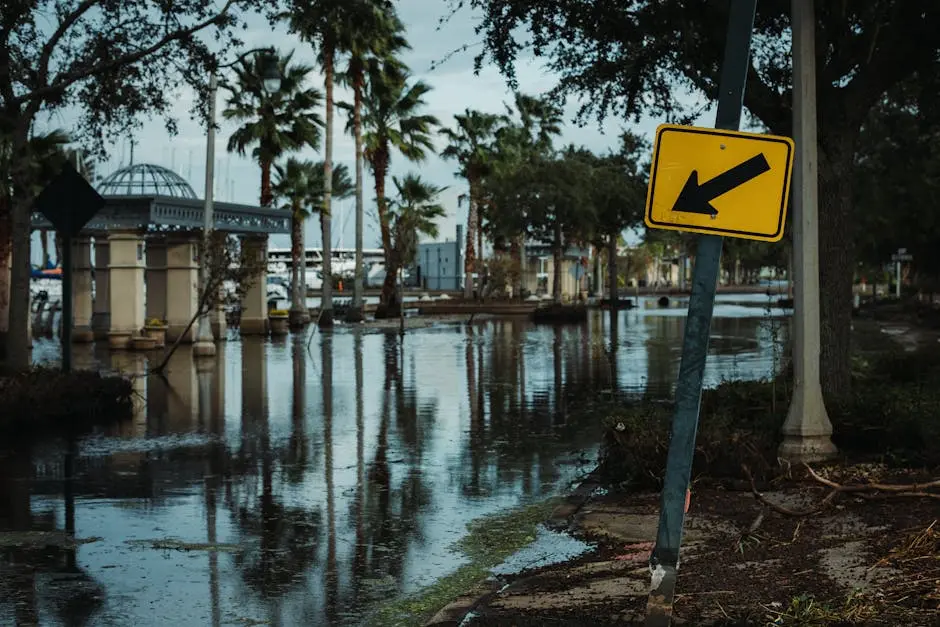
Many people overlook minor signs of water damage, thinking they are harmless. However, these early signs can escalate into bigger issues. Learn what to watch for and why it’s important to act quickly.
Small patches of discoloration on your walls or ceiling might not seem alarming, yet they are often precursors to severe water damage. These minor signs are frequently indicators that moisture is slowly permeating through your home’s structure. Over time, this moisture can lead to mold growth or even compromise structural integrity. Studies show that early intervention can significantly reduce repair costs, making it vital to take any signs seriously. Regular inspections and maintenance can help identify potential issues before they become substantial problems, ensuring that minor repairs do not turn into expensive overhauls.
Another common sign of water damage includes peeling paint or wallpaper. This occurs when moisture gets trapped between the paint or wallpaper and the wall, causing the materials to loosen. Instead of simply repainting or re-wallpapering over the issue, it’s crucial to investigate the root cause and address it immediately. Ignoring these visual cues can result in worsening damage and higher repair costs in the long run.
Using the wrong tools or techniques for water extraction can leave moisture behind, leading to mold growth. Discover the best practices for efficient water extraction to ensure your space is properly dried.
Proper water extraction is not merely a matter of mopping up visible puddles. Often, water seeps into hidden areas that are not immediately evident. A common mistake is relying solely on household tools like mops and buckets. Instead, using specialized equipment like wet/dry vacuums and pumps can ensure a more thorough extraction. Furthermore, pressing towels and sponges into carpets and fabrics merely pushes water deeper, making it harder to fully remove.
It’s vital to remove not just surface water but also any trapped moisture in carpets, upholstery, and even within the walls themselves. Using infrared cameras and moisture meters can help detect areas that need more attention. These tools are invaluable in preventing mold, which thrives in moist environments and can begin to develop within 48 hours after water exposure. Employing advanced methods and tools ensures all traces of water are completely extracted, reducing the risk of mold and structural damage down the line.
Water damage can contaminate carpets, drywall, and more. Learn why it’s critical to remove these materials and how to effectively dispose of them to prevent health risks.
Contaminated materials pose a significant health risk if not dealt with promptly and correctly. The kind of water involved in the damage plays a crucial role in determining the level of contamination. Clean water, from broken pipes, is the least hazardous, but gray water from appliances or black water from sewage are full of pathogens. Prompt removal of contaminated materials such as carpets, drywalls, and insulation is essential to prevent the spread of diseases.
Once materials like carpets and carpet padding become saturated, they act as breeding grounds for harmful bacteria and mildew. Disposing of these items is not enough; homeowners must ensure that they follow local regulations for hazardous waste disposal. This helps protect the community from exposure to harmful pathogens. Seeking guidance from professional water damage restoration services can provide you with the assurance that the clean-up process meets safety standards.
Simply drying the visible areas isn’t enough. Understand the importance of dehumidification in the water mitigation process and how to properly implement it.
Dehumidifiers are essential in the aftermath of water damage as they lower the risk of mold, which thrives in damp environments. Leaving windows open or using fans might suffice in the short term, but these methods fail to address humidity levels thoroughly. Proper use of dehumidifiers ensures that hidden moisture is extracted from walls, floors, and furniture.
The strategic placement of dehumidifiers maximizes their effectiveness. In small rooms, a single dehumidifier might suffice, but larger areas could require multiple units to effectively bring down humidity levels. Furthermore, regularly emptying and maintaining dehumidifiers ensures they run efficiently. Many modern dehumidifiers come with automatic sensors, maintaining the ideal humidity without constant monitoring, providing homeowners peace of mind.
Water can weaken structural components. Learn how to assess potential damage and when to seek professional help to ensure structural integrity.
The structural damage caused by water is often underestimated, especially when the damage is not immediately visible. Components such as beams, joists, and studs, when exposed to moisture, can weaken over time. This type of damage can lead to serious issues, including foundation instability, if not detected early. Regular inspections by professionals can identify areas most at risk and provide solutions to stabilize and reinforce weakened components.
Homeowners should also be aware of signs that indicate structural damage, such as warping floors, sagging ceilings, and doors or windows that no longer fit their frames. These signs are often overlooked or attributed to other factors. If you observe any of these issues, it’s crucial to consult professionals immediately. A delayed response can result in significant safety hazards and costly repairs in the future. Therefore, routine evaluations by structural engineers are a wise investment.
Not all cleaning solutions are suitable for water-damaged areas. Find out which solutions are safe and effective for cleaning different surfaces affected by water.
Choosing the wrong cleaning solution for water-damaged areas can exacerbate problems rather than solve them. Some cleaners are too harsh and can damage surfaces like wood and fabric, while others may leave residues that promote mold growth. It’s important to select products specifically designed for water damage restoration, which are effective in killing bacteria and spores while also being gentle on materials.
An important first step is reading the labels of cleaning products to ensure they are suitable for the specific materials in your home. For instance, using bleach on hardwood can cause discoloration, whereas using a pH-neutral cleaner preserves the wood’s integrity. These seemingly small details make a big difference in prevention efforts. Whenever in doubt, seeking advice from water damage restoration professionals can steer you in the right direction, ensuring that your cleaning methods do more good than harm.
While DIY solutions can work for minor issues, professional intervention is often necessary for extensive water damage. Learn when it’s time to call in the experts.
The temptation to tackle water removal and damage control on your own can be strong, particularly if you believe the problem to be minor. However, DIY efforts can only go so far, and in many cases, they might not address underlying issues. Professionals have the experience and tools necessary to tackle complex water damage scenarios, ensuring a comprehensive resolution.
Recognizing when professional help is essential can save stress and money in the long run. Signs that indicate the need for experts include persistent dampness, recurring mold, and noticeable structural damage. Consulting with a professional as soon as issues arise leads to better outcomes. You can visit professional water damage services to explore expert solutions that are tailored to your needs and provide long-term protection to your property.
By understanding and avoiding these common water mitigation mistakes, you can protect your property from costly damage and ensure a safe and healthy environment. Remember to act promptly, use the right materials and techniques, and consult professionals when in doubt. With the right approach, water mitigation can be a manageable and effective task. To learn more about safeguarding your property, consider consulting professional water damage restoration services today.
