Experiencing a fire in your home or business can be devastating. The aftermath often leaves behind more than just physical damage—it can also be overwhelming emotionally. However, understanding the essential steps of fire restoration can help you regain control, ensuring a thorough and effective recovery.
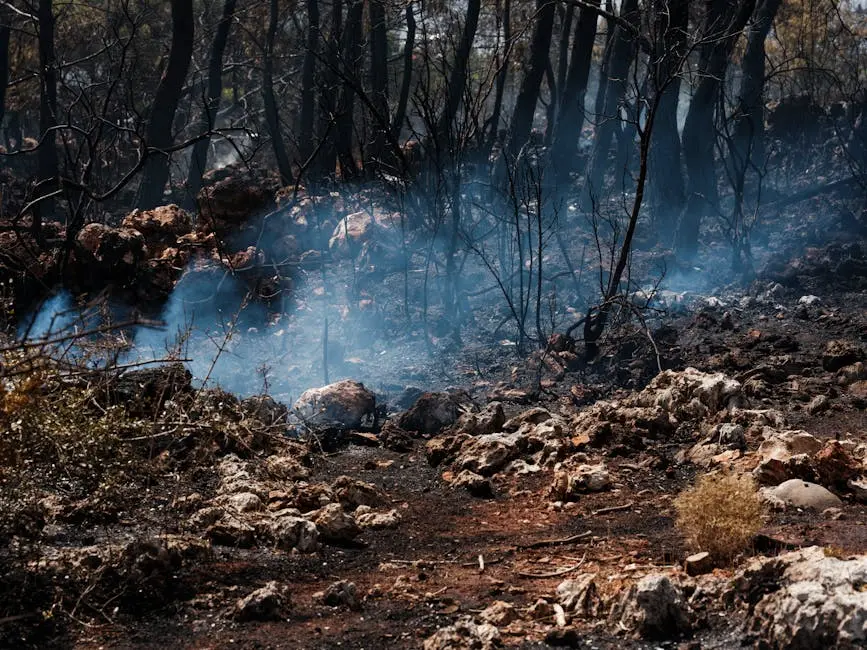
Before any restoration can begin, a comprehensive assessment of the damage is crucial. This involves a detailed inspection of the property to evaluate the extent of fire, smoke, and water damage. This step helps in developing a customized restoration plan tailored to your specific needs. It’s not just about surveying what’s visible, but also understanding what might be lurking in hidden corners, potentially posing risks to future safety and restoration efforts. Engaging professionals who are experienced in fire damage appraisal ensures nothing is overlooked, laying the groundwork for a successful recovery journey.
An accurate damage assessment can also aid in the claims process with your insurance company. The documentation gathered during this initial step is invaluable, providing clear evidence to support your claims. Furthermore, meticulously examining each room helps identify which areas require urgent attention and which might need specialized equipment or techniques to restore them fully.
Safety should be a top priority. Addressing potential hazards, such as structural damage or exposed wiring, is essential. Securing the property to prevent unauthorized access and further damage is also a critical component of this step. Never underestimate the importance of having a professional checklist to ensure nothing slips through the cracks. Many times, areas that look secure may have underlying issues that need expert evaluation.
Additionally, installing temporary fencing or boarding up windows and doors can provide an extra layer of security to deter potential trespassers. Fire restoration professionals often prioritize quick and efficient safety protocols to ensure that both the site and those working in it are protected from preventable accidents.
In situations where there is extensive structural damage, it might be necessary to work with local authorities to certify areas safe for entry. Rest assured, a capable restoration team will coordinate these efforts seamlessly, addressing any regulatory requirements and ensuring your property is both safe and compliant for all subsequent restoration activities.
The cleanup process begins with the removal of soot, debris, and any unsalvageable materials. Specialized cleaning techniques and equipment are often needed to ensure all surfaces are thoroughly cleaned and prepped for restoration. The tiny particles of soot can permeate not just walls and ceilings, but also fabrics and air duct systems, making comprehensive removal a necessity for maintaining health and restoring property condition.
Utilizing industrial-grade vacuums and air scrubbers is vital in removing airborne particles, while high-efficiency particulate air (HEPA) filters can catch even the finest contaminants. For tougher areas, chemical sponges and strategies like dry ice blasting may be employed to lift soot off surfaces effectively. This methodical, step-by-step approach allows for a clean slate upon which restoration can commence.
Firefighting efforts often leave properties with significant water damage. Prompt water extraction and drying are vital to prevent mold growth and further deterioration of the building’s structure. This is where industrial dehumidifiers and air movers come into play, accelerating the drying process to minimize water’s long-term effects on your property.
It’s important to recognize that even after water is extracted, humidity levels can remain high, offering a fertile environment for mold spores. Therefore, continuous moisture monitoring becomes imperative. Professionals often utilize hygrometers and infrared cameras to track moisture levels, ensuring that not the slightest remnant of dampness is left untreated.
Structural repairs are necessary to restore the integrity of the building. This includes fixing walls, roofs, and other critical components that were compromised by the fire. A professional restoration team will ensure that all repairs meet safety standards. These teams are adept at diagnosing the severity of structural damage and deploying both carpentry and engineering solutions to restore the foundational integrity of the property.
Engineers will often assess supporting beams and the building’s core structure to certify that it stands resilient before any cosmetic work begins. It’s wise to draft a comprehensive and itemized plan for these repairs, detailing tasks from re-wiring electrical systems to replacing compromised foundation materials.
Cleaning every nook and cranny of your property is essential to eliminate smoke odors and residues. Advanced deodorization techniques help to ensure the air is fresh and safe, removing any lingering reminders of the disaster. Technologies such as thermal fogging and ozone treatments are employed to neutralize hard-to-remove scents at the molecular level. These procedures require precise execution and understanding, pointing to the invaluable role of skilled technicians in this nuanced step.
In cases where odor persists, employing hydroxyl generators can further ensure a clean environment. These devices target large spaces, continuously purifying air without leaving any harmful residues behind. The comprehensive approach to deodorization not only improves indoor quality but also assists in mentally transitioning from a site of disaster to one of potential and opportunity.
The final step integrates restoration with a touch of personalization. This is when your property truly transforms, incorporating new decor and furnishings to replace those lost in the fire. It’s an opportunity to reclaim your space and make it your own once again. Redecoration isn’t just about replacing old with new; it’s about infusing personal taste where it matters and bringing back a sense of homeliness.
Take the chance to explore stylish upgrades, perhaps considering materials that are more resilient to fire damage for future peace of mind. This period can also be an opportunity for energy-efficient enhancements, improving sustainability as your space is reborn. Like turning a new page, this phase is a celebration of recovery and renewal, symbolizing all the persistence and dedication culminated in a space ready for a fresh start.
By following these seven essential steps, you’ll be better prepared to navigate the complexities of fire restoration after a disaster. Each step contributes to a safer, more efficient recovery, and helps you rebuild not just your property, but also your peace of mind. As you embark on this journey, consider reaching out to professionals who are experienced in disaster recovery to ensure a comprehensive and effective restoration process. If you need expert assistance, visit us today to learn more about how we can help restore your property to its former glory.
