When disaster strikes, managing water extraction efficiently is crucial to minimize damage and start the recovery process. This guide walks you through essential steps to handle water extraction effectively, ensuring your home or workplace is safe and sound once more. With a simple, engaging approach, let’s dive into these essential steps for effective water extraction after a disaster.
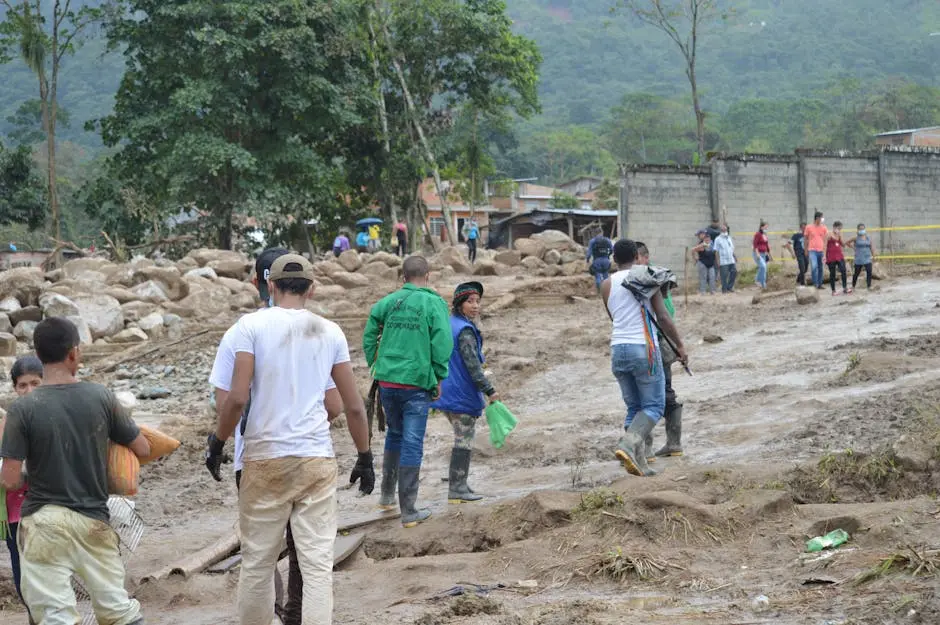
The first step in effective water extraction is to assess the scope and type of water damage. Determine whether the flooding is due to natural causes or internal issues, as this will guide your action plan. Safety should be your top priority, so ensure that electrical systems are shut off to avoid any hazards.
Next, evaluate the source and category of water. Clean water from a broken pipe poses less risk than contaminated water from flooding. This distinction is vital for planning your cleanup strategy and determining the necessary equipment. It’s also important to document the damage for insurance purposes, as this aids in the claims process and helps you better understand the necessary repairs.
Before beginning water extraction, make sure the area is safe to enter. This includes wearing protective gear, ensuring no structural damage poses a risk, and being mindful of potential contaminants in the water. Safety for yourself and others is paramount during this process.
Also, consider the air quality. Floodwater can amplify the risk of airborne contaminants. Using masks may help protect your respiratory system from mold spores and other particulates. Keeping emergency contacts within reach, such as the number for a local disaster recovery service, can provide added peace of mind.
Using the right equipment is key to an efficient water extraction process. Depending on the extent of water damage, you might need pumps, wet vacuums, or dehumidifiers. Renting or purchasing the right tools can significantly expedite the extraction and drying process.
For large-scale water removal, industrial-grade equipment can be especially beneficial. These tools are designed to handle substantial water volumes and are often available for rent at home improvement stores. Investing in a moisture detector can help identify residual water pockets invisible to the naked eye, ensuring a more thorough drying process.
Additionally, consider employing the assistance of professional equipment. Specialized drying systems and thermal imaging cameras can find hidden moisture and assist with rapid drying, contributing to a more effective water extraction strategy.
With the equipment ready, begin the water removal process. Focus on removing as much water as possible, starting from the highest volume areas. This essential phase involves systematic working towards drying out the affected region completely.
Ensure that water is extracted from carpets, walls, and all affected structural areas. Be patient, as this step can be time-consuming. Effective water removal not only speeds up recovery but also minimizes the risk of mold growth, which can occur within 24 to 48 hours after water intrusion.
After removing the water, start drying and dehumidifying the area to prevent mold and further damage. Use fans and dehumidifiers to lower moisture levels in walls and floors. Continual monitoring is important to ensure that all areas are thoroughly dried.
Pay extra attention to basements and crawl spaces where moisture tends to linger longer. It’s also helpful to remove wet furniture and items to a dry location to facilitate better airflow and increase the efficiency of the drying process. Keep windows open if weather permits, helping dissipate humidity and accelerate drying.
Even after thorough extraction, hidden damage might persist. Inspect the premises for signs of mold growth, structural issues, or lingering moisture. Early detection and repair are essential to prevent long-term consequences.
Examine areas behind walls and under floors using specialized equipment if necessary. Repair identified damage promptly, particularly structural components that have become compromised, as they can pose safety risks if left unaddressed.
Once you’ve handled the immediate aftermath, consider implementing preventative measures to protect against future water damage. Installing sump pumps, sealing windows, and ensuring proper drainage are steps that can fortify your property against future disasters.
Consider scheduling regular maintenance checks for your plumbing system to prevent failures that might lead to water damage. Positioning water sensors in key areas can also alert you to leaks early, reducing potential water damage. These proactive steps are an investment in safeguarding your property’s longevity.
