Mold can be a troublesome and potentially harmful presence in any home. If you’ve discovered mold, you might be wondering if you can tackle the mold removal process yourself. In this blog, we’ll walk you through what you need to consider and steps to take if you decide to go the DIY route.
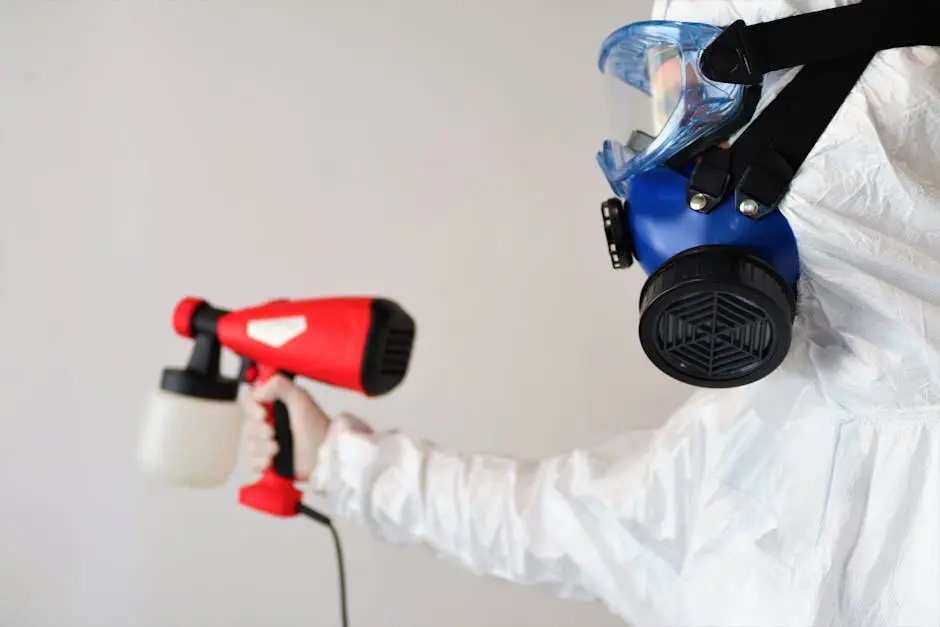
Before deciding to tackle mold removal on your own, it’s crucial to understand the potential health risks and property damage. Mold spores can cause respiratory issues, allergies, and other health problems, especially in sensitive individuals.
One significant danger of DIY mold removal lies in the exposure to airborne mold spores. These microscopic particles can be inhaled easily when disturbed, potentially leading to respiratory problems or exacerbating existing conditions such as asthma. It’s essential to recognize the symptoms of mold exposure, which can range from sneezing and coughing to more severe reactions like difficulty breathing.
Additionally, not properly handling mold infestations can result in further property damage. Mold can thrive unseen, growing behind walls or under floors, which might lead to structural damage if left untreated. Therefore, assessing the situation carefully and determining if it’s within your skill set is crucial.
Not all molds are created equal. Determine whether the mold growth is manageable or requires professional intervention. Small, contained areas of non-toxic mold can often be handled by a homeowner.
To effectively address mold issues, it’s important to correctly identify the type of mold. Some molds, like black mold (Stachybotrys chartarum), are more dangerous and require extra precautions. Testing kits can help determine the mold variety, allowing you to decide on the best course of action.
Size and location of the mold infestation also matter significantly. A few isolated spots in a damp basement corner might be manageable, while widespread growth covering a large wall area could signify deeper problems requiring more than a DIY solution.
You’ll need specific tools and safety gear, such as gloves, masks, and goggles, to protect yourself during mold removal. Ensure you have everything needed before starting the cleanup process.
A key component in handling mold safely is the right protective gear. Respirators are especially important, providing a barrier against inhaling hazardous spores. Make sure to choose one capable of filtering out mold spores to keep your airways clear.
In addition to protective clothing, gather cleaning supplies such as detergents and bleach, which help eliminate mold and disinfect surfaces. Tools like scrub brushes and sponges can be useful for scrubbing away mold residue without damaging surfaces.
Use proper cleaning methods and products to remove the mold effectively. It’s vital to avoid spreading mold spores during cleanup by following recommended procedures.
A crucial step in safe mold removal is containing the affected area to prevent spores from spreading. Using plastic sheeting and tape to seal off the area can help keep spores contained, minimizing the risk of them migrating to other parts of the home.
Once containment is secured, apply appropriate cleaning solutions to the moldy area. Read labels carefully to ensure that the products are effective against mold. After cleaning, thoroughly dry the area since moisture is a key factor in mold growth.
Addressing the root cause of mold growth is important for long-term prevention. Ensure that your home has proper ventilation, adequate insulation, and fixes for any leaks to keep mold away.
Implementing effective moisture control measures can significantly reduce the likelihood of mold recurrence. Consider installing dehumidifiers in damp areas and ensure ventilation systems are in good working order to reduce humidity levels indoors.
Regular home inspections and maintenance routines can also help in catching issues early. Look out for water stains on ceilings or walls which might indicate hidden leaks. Keeping an eye out for changes in home conditions can allow for proactive measures before mold finds a new spot to thrive.
Removing mold yourself can be a feasible option if you understand the risks, follow safety protocols, and the infestation is within your capabilities. Always keep safety first and know when to call in professional help. With the right approach, you can effectively deal with minor mold problems and maintain a healthy home environment.
