When it comes to fire damage restoration, misconceptions can often lead to unnecessary stress and confusion. In this blog, we’ll tackle some of the most common myths and set the record straight, providing you with the facts you need to make informed decisions.
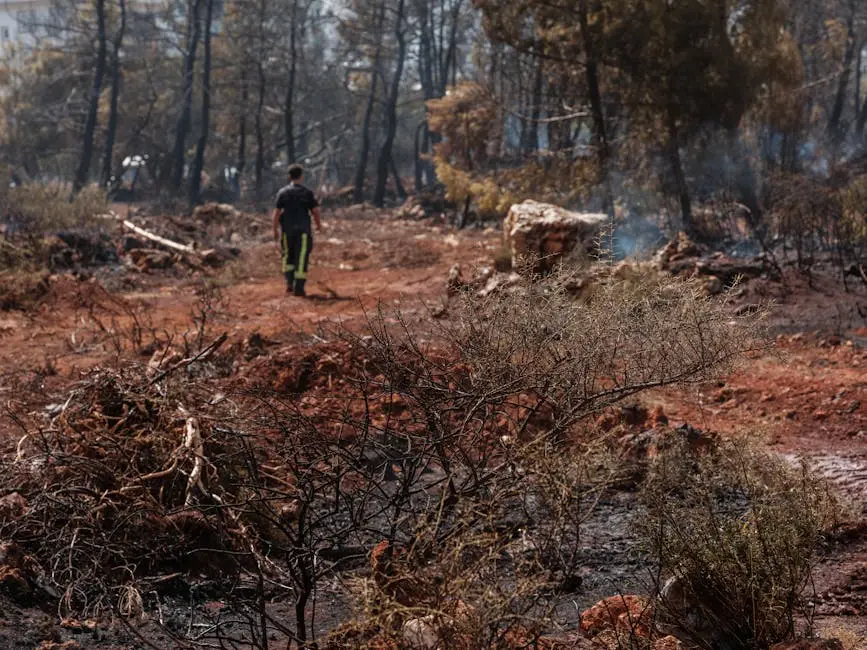
Many people believe that once a house is exposed to smoke, the smell will never go away. However, with professional cleaning techniques, these odors can be effectively removed. Specialized services employ advanced equipment designed to neutralize smoke particles at a molecular level, ensuring that even the most stubborn scents are eliminated. Thus, with the help of experts, your home can be both odor-free and welcoming once again.
It’s interesting to note that materials like wood and fabric absorb smoke more than others, which is why properties with extensive wooden frameworks or upholstery tend to retain smoke odors longer without professional intervention. But don’t worry! Through processes like thermal fogging, ozone treatment, and deep-cleaning solutions, most restoration services can address these challenging areas, allowing you to breathe fresh air once more.
While it might be tempting to tackle the damage yourself, professional restoration companies have the expertise and equipment to restore your home more efficiently and safely. Fire damage is often much more extensive than it initially appears, with smoke and soot penetrating walls and air ducts. Professionals are trained to identify and address hidden damages that a DIY approach might overlook, which could lead to more problems in the long run.
Additionally, professionals use industrial-grade cleaning agents and techniques that the average consumer doesn’t have access to, ensuring a superior clean and the prevention of secondary damage. Remember, while a DIY approach might save money upfront, it could end up costing more due to mistakes or ineffective cleaning. It’s always beneficial to weigh the risks and benefits when considering handling restoration by yourself.
Contrary to popular belief, not everything needs to be thrown away after a fire. Many items can be restored through specialized techniques. For instance, electronic devices, furniture, and family heirlooms may seem beyond salvation, but they can often be saved through meticulous cleaning and repair methods. Restoration specialists assess each item’s condition to determine if restoration is possible, allowing you to preserve both sentimental and monetary value.
Another key element in deciding whether to discard or restore items is understanding the extent of the damage. Items minimally affected by smoke or soot may just need a thorough cleaning, whereas others might need more intricate treatments such as ozone cabinet storage to remove odors. Always consult with restoration experts who can provide an honest assessment to help make the best decisions.
Fire damage isn’t limited to what you see on the surface. Smoke can infiltrate into walls and other hidden places, requiring thorough examination and treatment. Beyond visible soot and char marks, the structural integrity of your home can be compromised by what lurks beneath. Inhalation of particles from hidden smoke damage can also pose health risks. This is where professional expertise is invaluable; they can use thermal imaging and other technology to assess underlying damage.
Additionally, fire damage can lead to water damage, as water is often used to extinguish the flames. This can result in mold growth within walls and under floors. Effective fire damage restoration must also address these areas to ensure that your home is safe for habitation. Comprehensive restoration extends beyond mere aesthetics, focusing on the safety and health of all occupants.
It’s a common assumption that insurance will cover all fire-related expenses, but policies can vary greatly. It’s important to understand what your policy includes. Often, homeowners assume their policies are all-encompassing only to find gaps in coverage when they file a claim. To avoid unpleasant surprises, reviewing your policy with a fine-tooth comb or consulting with your insurance provider is crucial. Coverage may depend on the types of damage your home sustains and the limits within the coverage subscription.
In some cases, homeowners are required to add additional coverage for certain perils, like smoke damage or water damage resulting from firefighting efforts. This is why a thorough knowledge of your policy’s specifics is vital. Ensuring you have comprehensive coverage before disaster strikes can save you time, money, and stress during an already challenging period.
