Water damage is a term many homeowners hear after plumbing failures, appliance leaks, roof problems, storms, or flooding. However, there is often confusion about what qualifies as water damage, how serious it can become, and how it differs from flood damage. Understanding these differences is important because they can affect insurance coverage, restoration decisions, health risks, and the overall safety of a home.
This guide explains in simple terms what is considered water damage in a home, how it happens, which areas are commonly affected, and why prompt professional attention may be necessary.
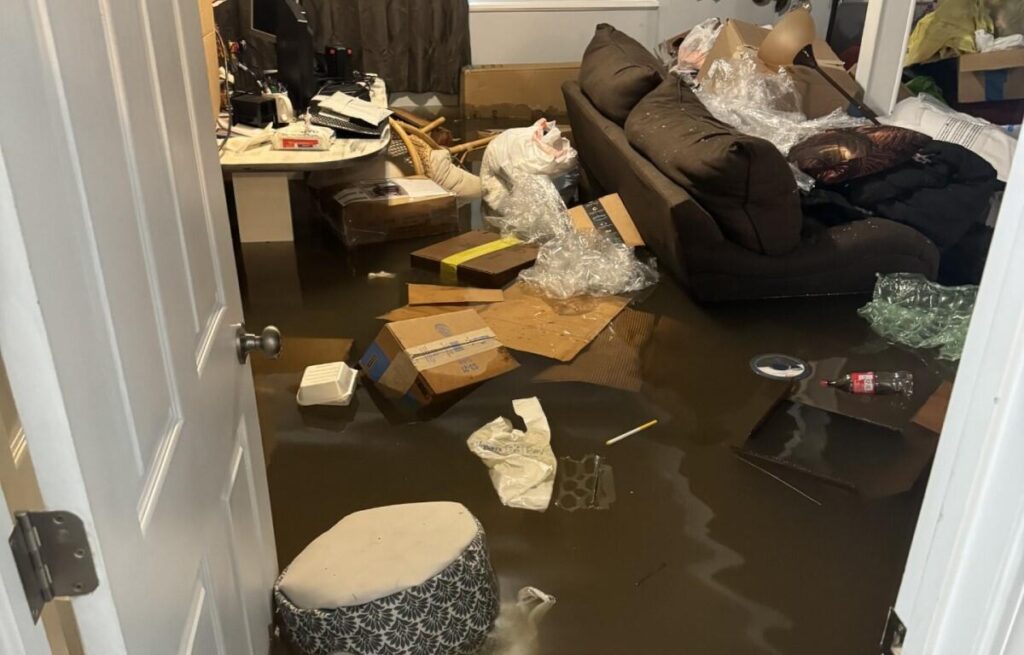
Basic Definition of Water Damage
Water damage occurs when unwanted water enters or accumulates inside a home and affects building materials, personal belongings, or structural components. The water may come from an internal plumbing problem, an appliance failure, a roof leak, severe weather, or an external source.
Water damage can involve a small, contained leak or a large amount of water spreading across floors, soaking walls, and penetrating hidden building materials.
The seriousness of the damage depends on the source of the water, the amount involved, the materials affected, and how long the moisture remains untreated.
Common Sources of Water Damage
Water damage can happen in many different ways. Some of the most common sources include:
- Burst, leaking, or frozen pipes
- Overflowing sinks, bathtubs, or toilets
- Washing machine, dishwasher, or refrigerator leaks
- Water heater failures
- Roof leaks and damaged flashing
- Heavy rain and storm-related water intrusion
- Sewage backups
- Foundation leaks and groundwater intrusion
If unwanted water enters the home and damages floors, walls, ceilings, insulation, furnishings, or structural materials, it is generally considered water damage.
How Water Damage Is Different From Flood Damage
Water damage and flood damage are often used interchangeably, but they do not always mean the same thing. This distinction can be especially important when dealing with insurance claims.
Water damage usually refers to water that comes from within the home or enters through a specific building-related problem, such as:
- Burst or leaking plumbing pipes
- Overflowing bathtubs, toilets, or sinks
- Appliance supply line failures
- Water heater leaks
- Roof leaks caused by sudden damage
Flood damage generally involves water entering from outside and covering normally dry ground, often affecting multiple properties or a wider area. Examples may include overflowing rivers, rising groundwater, storm surge, or widespread surface water.
The source of the water should be documented carefully because insurance policies may treat internal water damage and external flooding differently.
Areas of the Home Commonly Affected by Water Damage
Water can travel quickly and affect areas beyond the location where the problem began. Some of the most vulnerable areas include:
- Basements and crawl spaces
- Kitchens, bathrooms, and laundry rooms
- Drywall, ceilings, and insulation
- Electrical outlets, fixtures, and wiring
- Flooring materials such as carpet, wood, vinyl, and laminate
- Cabinets, furniture, and personal belongings
Because water can spread beneath flooring and behind walls, the full extent of the damage may not always be immediately visible.
Why Water Damage Is Considered Serious
Water damage is not limited to visible puddles or stains. Untreated moisture can create several serious problems that homeowners need to understand.
Contamination and Health Risks
The level of contamination depends on the source of the water. Water from a clean supply line may initially present fewer risks, while water from appliances, toilets, sewage systems, flooding, or groundwater may contain bacteria, chemicals, organic matter, and other contaminants.
Contaminated water can affect floors, walls, furniture, and personal belongings. Direct contact should be avoided, especially when the source of the water is unknown or involves sewage.
Mold Growth After Water Damage
Wet drywall, flooring, insulation, wood, and other porous materials can create suitable conditions for mold growth. Mold may begin developing within a short period when moisture, warmth, and organic materials are present.
Mold associated with water damage may spread behind walls, beneath flooring, above ceilings, and inside other concealed spaces, making it difficult to identify without professional moisture detection.
Structural Damage
When building materials absorb water, they may weaken, swell, warp, separate, or deteriorate. Wood can rot, drywall can soften and crumble, and flooring may buckle or detach.
If water damage is not addressed promptly, it may affect the stability and condition of structural materials and lead to more extensive restoration work.
What Materials May Be Considered Unsalvageable
Whether a material can be restored depends on the type of water, the amount of contamination, the length of exposure, and the condition of the material.
Materials that may require removal include:
- Contaminated carpet and carpet padding
- Severely saturated or damaged drywall
- Wet or contaminated insulation
- Damaged upholstered furniture
- Mattresses and other heavily saturated soft furnishings
Nonporous and semi-porous materials may sometimes be cleaned and restored, while heavily contaminated or deteriorated porous materials may need to be removed for safety and proper restoration.
How Insurance Typically Views Water Damage
Insurance coverage for water damage depends on the cause of the loss and the specific terms of the policy.
Standard homeowners insurance may cover sudden and accidental water damage, such as damage caused by a burst pipe or unexpected appliance failure. However, damage caused by gradual leaks, poor maintenance, wear and tear, or external flooding may not be covered.
Flood damage is commonly handled separately and may require a dedicated flood insurance policy.
Because policies and circumstances vary, homeowners should document the source of the water, photograph affected areas, and contact their insurance provider for information about coverage.
Signs Your Home Has Water Damage
Some signs of water damage are obvious, while others may develop slowly or remain hidden behind finished surfaces.
Common signs include:
- Standing water or unexplained puddles
- Musty or unpleasant odors
- Discoloration on walls, ceilings, or flooring
- Peeling paint, bubbling walls, or damaged wallpaper
- Warped flooring, swollen wood, or loose tiles
- Soft drywall or sagging ceilings
- Unexpected increases in humidity or water usage
Even after visible water has been removed, moisture may remain behind walls, beneath flooring, inside cabinets, or within insulation.
What to Do After Water Damage Occurs
Quick action can help reduce long-term damage and protect unaffected areas of the property.
Important steps include:
- Ensuring the property is safe before entering affected areas
- Turning off the water source when it is safe to do so
- Avoiding electrical hazards and contaminated water
- Documenting damage with photographs and videos
- Removing standing water as quickly as possible
- Drying affected areas and controlling indoor humidity
- Scheduling a professional assessment when necessary
Significant water damage often requires professional extraction, moisture detection, structural drying, dehumidification, cleaning, and restoration equipment.
So, what is considered water damage in a home? Water damage refers to unwanted water that enters or accumulates inside a property and affects building materials, belongings, or structural components. It may result from plumbing failures, leaking appliances, roof problems, storms, sewage backups, or external water intrusion.
Understanding the source and extent of the damage helps homeowners respond appropriately, document the loss, communicate with their insurance provider, and protect their property. Water damage should always be taken seriously, even when the affected area appears small or the visible water has already disappeared.
When water damage occurs, the greatest risk is often not only the water you can see but also the moisture that remains hidden behind walls, beneath floors, and inside building materials.