Water damage is one of the most common problems faced by homeowners and property managers. Whether caused by a burst pipe, roof leak, appliance failure, flooding, sewage backup, or long-term moisture issue, unwanted water can create the conditions mold needs to grow.
This often raises an important question: Is mold from water damage dangerous? The answer is yes, it can be. The level of risk depends on the amount of mold present, how long it has been growing, where it is located, and the health of the people occupying the property.
This article explains how water damage leads to mold, the possible risks of exposure, the signs of hidden growth, and when professional mold remediation may be necessary.
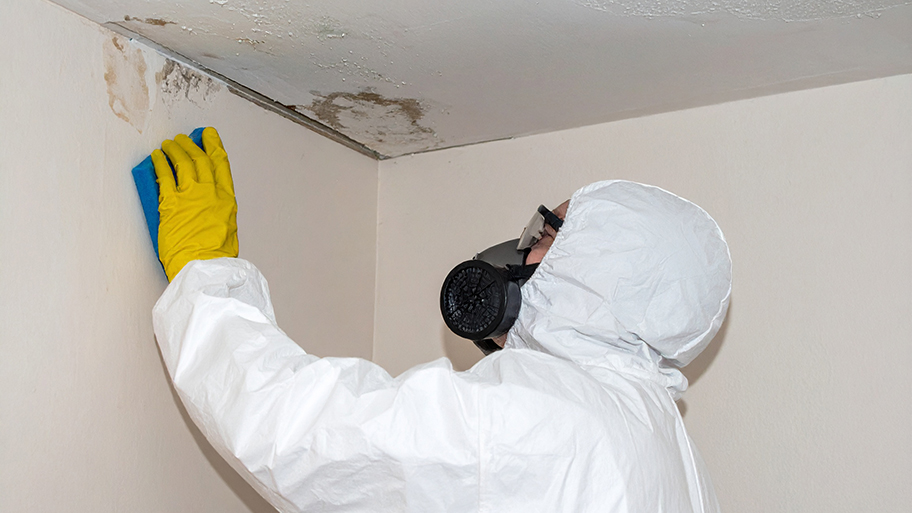
How Water Damage Leads to Mold Growth
Mold spores naturally exist in indoor and outdoor air. They usually remain inactive until they land on a damp surface that provides the moisture and organic material needed for growth.
Common sources of water damage that may lead to mold include:
- Leaking or burst plumbing pipes
- Roof leaks after storms
- Flooding from heavy rain or groundwater
- Overflowing sinks, toilets, or bathtubs
- Washing machine and dishwasher leaks
- Water heater failures
- Sewage backups
- Persistent condensation or high humidity
When water soaks into drywall, wood, carpet, insulation, cabinets, or flooring, mold may begin developing within a short period. Growth often occurs behind walls, beneath floors, above ceilings, or inside cabinets where it cannot be easily seen.
Why Mold From Water Damage Is a Serious Concern
Mold caused by water damage is more than a cosmetic issue. It may affect indoor air quality, damage building materials, produce persistent odors, and create health concerns for people inside the property.
The longer damp materials remain untreated, the more opportunity mold has to spread into nearby rooms, wall cavities, flooring systems, and other concealed areas.
Health Effects Associated With Mold Exposure
Mold releases microscopic spores and fragments into the surrounding air. When inhaled or touched, these particles may cause irritation or allergy-like reactions.
Possible symptoms of mold exposure include:
- Sneezing and nasal congestion
- Coughing or wheezing
- Eye, skin, or throat irritation
- Headaches
- Shortness of breath
- Increased asthma symptoms
- Respiratory discomfort
Not everyone reacts to mold in the same way. Some people may experience no noticeable symptoms, while others may be affected more strongly.
People who may be more sensitive include:
- Individuals with asthma or allergies
- Young children
- Older adults
- People with respiratory conditions
- Individuals with weakened immune systems
Anyone experiencing persistent or severe health symptoms should consult a qualified healthcare professional.
Is All Mold From Water Damage Toxic?
Not every type of mold is considered toxic, and appearance alone cannot reliably identify a mold species or determine its possible health effects.
Some molds can produce substances known as mycotoxins under certain conditions. However, any significant indoor mold growth should be addressed regardless of its color or species.
Black, green, white, gray, or brown mold may all indicate an unresolved moisture problem. The most important steps are to identify the moisture source, stop the water intrusion, and remove contaminated materials safely.
Structural Damage Caused by Mold and Moisture
Mold feeds on organic materials found throughout many buildings. As it grows, it can contribute to the deterioration of the surfaces and materials supporting it.
Materials commonly affected include:
- Drywall and plaster
- Wood framing and subflooring
- Insulation
- Ceiling tiles
- Carpeting and padding
- Cabinets and furniture
Over time, affected materials may become stained, weakened, warped, soft, or difficult to restore.
Mold itself is not always the only cause of structural damage. The moisture that allowed it to grow may also cause wood rot, crumbling drywall, swollen flooring, and deterioration of insulation.
Why Mold After Water Damage Is Often Hidden
One of the biggest concerns with water-related mold is that it frequently develops in concealed areas.
Water can travel through wall cavities, beneath flooring, along framing, and inside insulation. A room may appear dry even though moisture remains trapped behind finished surfaces.
Common locations for hidden mold include:
- Behind drywall
- Under carpet or flooring
- Inside cabinets
- Above suspended ceilings
- Around plumbing fixtures
- Inside crawl spaces
- In basements and attics
- Around HVAC components
- Behind appliances
Because hidden mold may not be immediately visible, property owners should pay attention to odors, moisture damage, and changes in building materials.
Signs of Mold After Water Damage
Some signs of mold are obvious, while others may be subtle.
Common warning signs include:
- Persistent musty or earthy odors
- Visible spots or patches on walls and ceilings
- Discoloration around previously wet areas
- Peeling paint or bubbling drywall
- Warped or swollen flooring
- Recurring moisture or condensation
- Damp carpet or insulation
- Increased allergy-like symptoms indoors
A musty odor after water damage may indicate mold growth even when no mold is visible.
How Quickly Can Mold Develop?
Mold can begin developing soon after materials become wet, especially when the property is warm, humid, and poorly ventilated.
The longer drywall, carpet, wood, insulation, and other porous materials remain damp, the greater the likelihood of mold growth.
Prompt water extraction and structural drying are therefore important. Removing visible water alone may not be enough because moisture can remain trapped inside building materials.
Professional moisture detection equipment can help locate damp areas that are not visible from the surface.
Can Mold Continue Growing After the Water Is Gone?
Yes. Mold may continue growing if building materials remain damp after visible water has been removed.
For example, the surface of a wall may feel dry while the insulation or wood framing behind it still contains moisture. Mold can also remain active beneath flooring, inside cabinets, and in other enclosed areas.
The original moisture source must be corrected, and affected materials must be dried thoroughly. Otherwise, mold may continue spreading or return after surface cleaning.
Can You Clean Mold From Water Damage Yourself?
Very small areas of surface mold on nonporous materials may sometimes be cleaned using appropriate precautions. However, water-damage-related mold is often more extensive than it appears.
Professional help may be necessary when:
- Mold covers more than a small area
- Drywall, insulation, flooring, or ceilings are affected
- Mold is growing inside walls or concealed spaces
- The water involved sewage or flooding
- The moisture source cannot be identified
- Musty odors remain after cleaning
- Mold returns repeatedly
- HVAC systems may be contaminated
- Occupants are experiencing health symptoms
Improper cleaning can disturb spores and spread contamination into previously unaffected areas.
Painting over mold, spraying air freshener, or cleaning only the visible surface will not solve the underlying moisture problem.
What Professional Mold Remediation Involves
The exact remediation process depends on the size and location of the affected area, the materials involved, and the source of moisture.
Professional mold remediation may include:
- Inspecting the property for visible and hidden moisture
- Identifying and correcting the water source
- Isolating affected areas with containment
- Using air filtration equipment
- Removing contaminated porous materials
- Cleaning salvageable surfaces
- Treating affected contents
- Drying the structure thoroughly
- Confirming that moisture levels have returned to acceptable conditions
The goal is to remove affected materials safely, reduce contamination, and correct the conditions that allowed the mold to grow.
Preventing Mold After Water Damage
The most effective way to reduce mold risk is to respond quickly after water damage.
Important prevention steps include:
- Stopping the water source when it is safe to do so
- Removing standing water promptly
- Drying walls, floors, and structural materials thoroughly
- Using dehumidifiers to control humidity
- Removing materials that cannot be properly dried
- Repairing plumbing, roofing, or drainage problems
- Improving ventilation in damp areas
- Monitoring the property for musty odors or recurring moisture
Do not assume an area is fully dry simply because the visible water is gone. Hidden moisture should be identified and addressed before repairs or reconstruction begin.
When Should You Call a Professional?
Contact a professional restoration or mold remediation company when the damage is widespread, the water is contaminated, or moisture has entered walls, ceilings, flooring, insulation, or structural materials.
Professional assessment is also recommended when you notice:
- Strong musty odors
- Recurring mold growth
- Extensive water staining
- Soft or damaged drywall
- Warped flooring
- Hidden plumbing leaks
- Mold near HVAC vents
- Persistent indoor humidity
Early action can help limit the affected area and reduce the amount of material that must be removed.
Is Mold From Water Damage Dangerous?
Mold from water damage can create health concerns, reduce indoor air quality, damage building materials, and spread into hidden areas of a property. The risk may be greater for people with asthma, allergies, respiratory conditions, or weakened immune systems.
The seriousness of the problem depends on the extent of the growth, the length of exposure, and whether the underlying moisture source has been resolved.
Water damage and mold should not be ignored. Prompt water removal, thorough structural drying, moisture control, and professional remediation when necessary can help protect both the property and the people inside it.
The most important takeaway is this: visible water may disappear quickly, but moisture and mold can remain hidden long after the surface looks dry.